2026-07-07 16:34
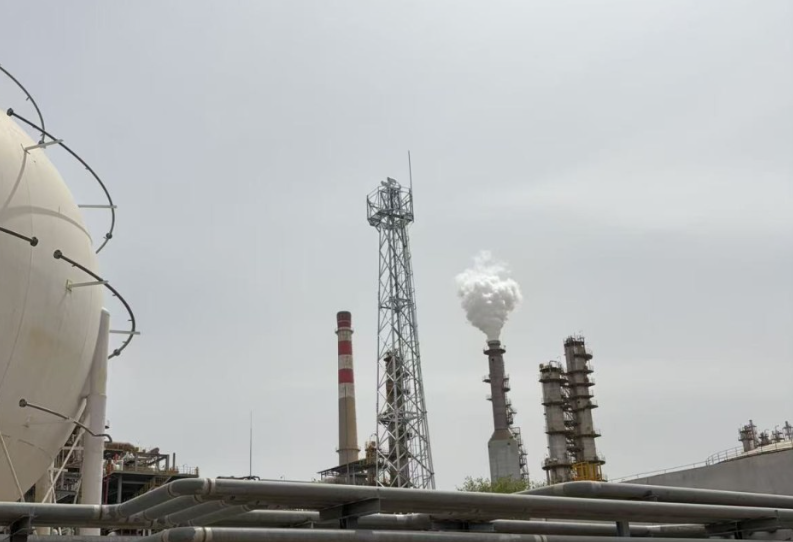
In petrochemical refineries, the flare system is usually tucked away in the most remote corner of the plant. Elevated flares often reach 70 to 80 meters high. For operators, a single inspection trip means climbing up—twenty minutes up, and legs feel like jelly coming down. On rainy, snowy, or foggy days, the naked eye can barely make out the combustion status at the flare tip; standing below and looking up, all you see is a blur of steam and hazy glow.
For a long time, judging the flare’s combustion status has largely been a matter of “guesswork.”
The Limits of Manual Inspection – The Naked Eye Cannot Penetrate the Flame
The core function of a flare is to combust waste combustible gases that cannot be effectively recovered during production. Whether combustion is complete directly determines whether emissions meet standards. However, flares are located in remote areas at great heights, and visibility is extremely low in adverse weather. Traditional visual inspection is virtually ineffective.
Some plants have tried installing thermocouples, inserting temperaturesensing elements into the flame zone or attaching them near the flare tip. But flare platforms are subject to high temperatures and strong corrosion, and thermocouple sheaths frequently burn through. Maintenance personnel must climb up regularly to replace them—a highrisk task with considerable maintenance costs. More importantly, a thermocouple can only measure temperature at a single point; it cannot reflect conditions like flame asymmetry or stratified combustion.
As a result, there has long been an awkward situation in the industry: the flarerelated data in the DCS system is either missing, delayed, or distorted. The environmental safety department has no solid basis for decisionmaking and can only rely on luck.

LongWave Infrared Thermal Imager: Turning “Invisible” into “Clearly Visible”
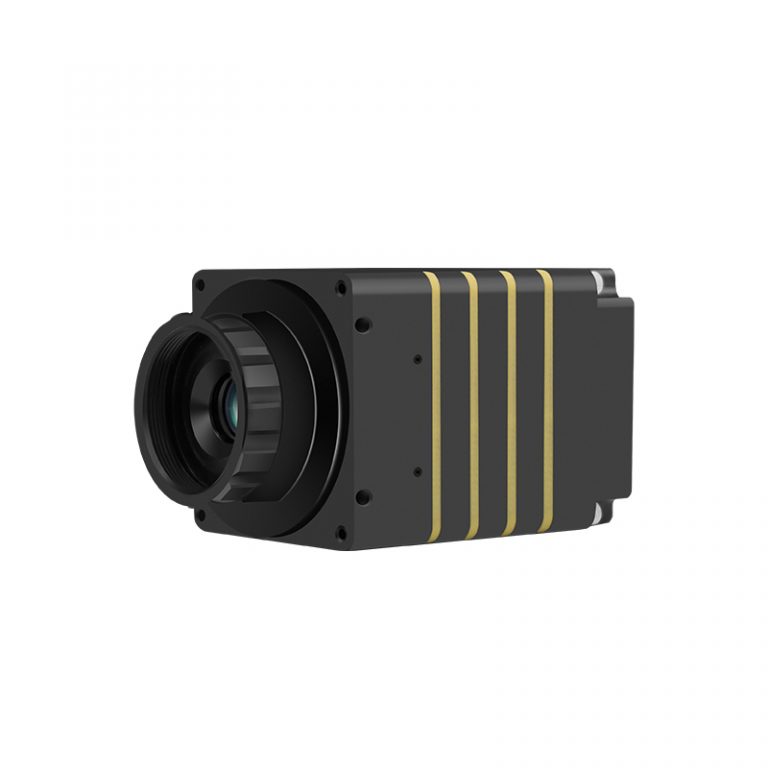
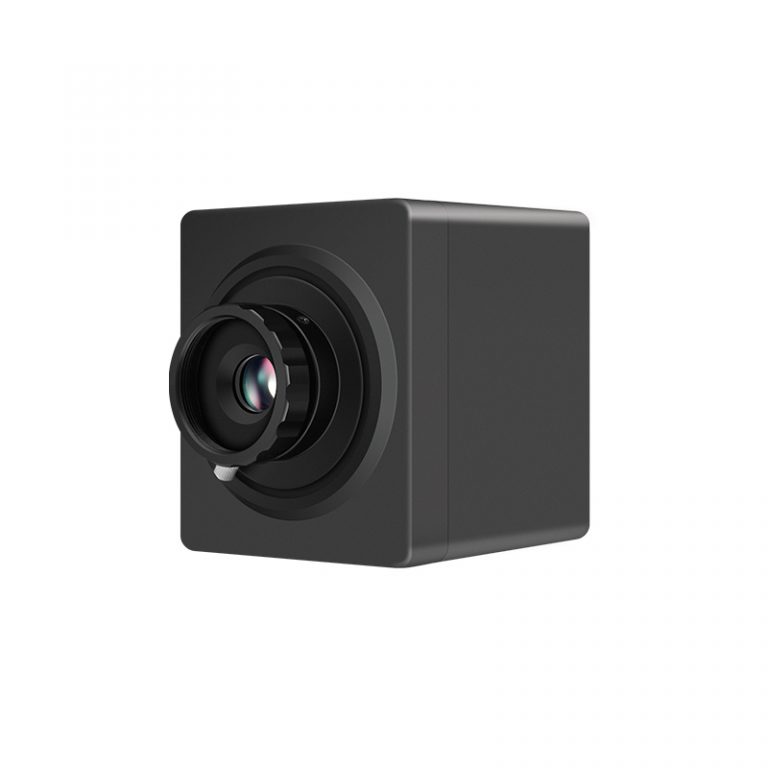
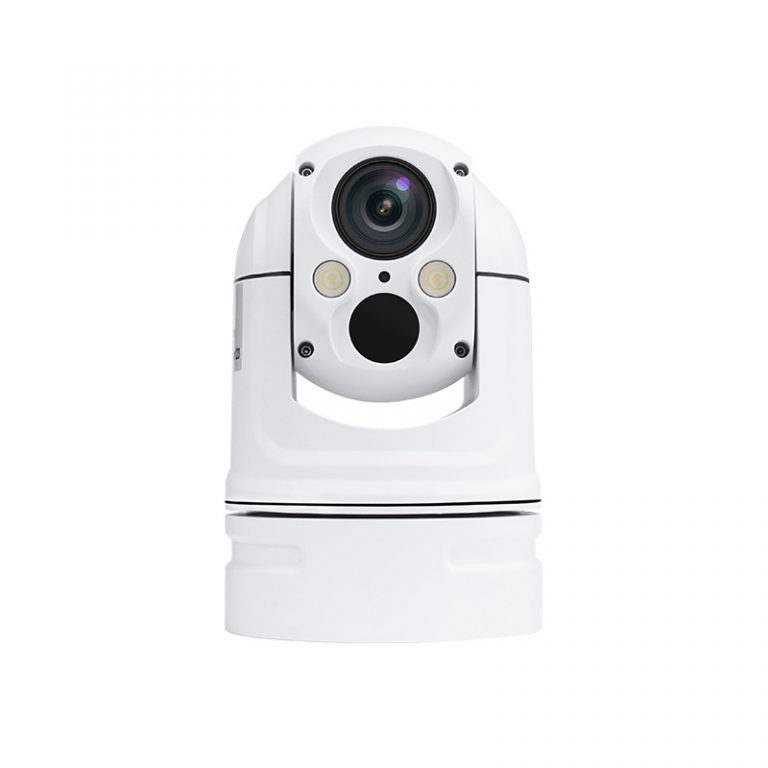
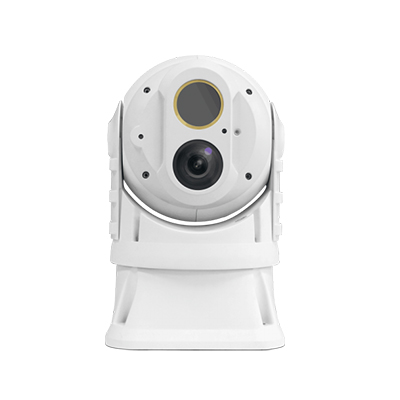
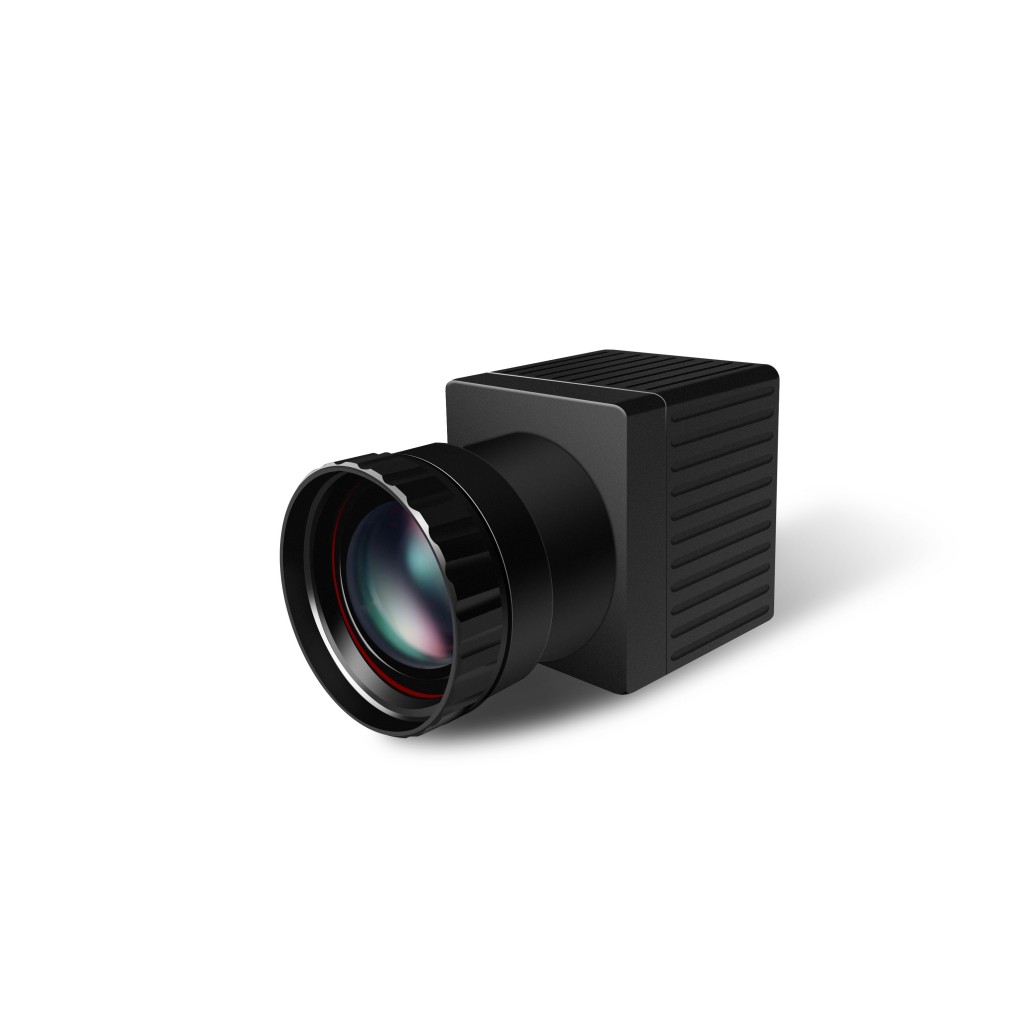
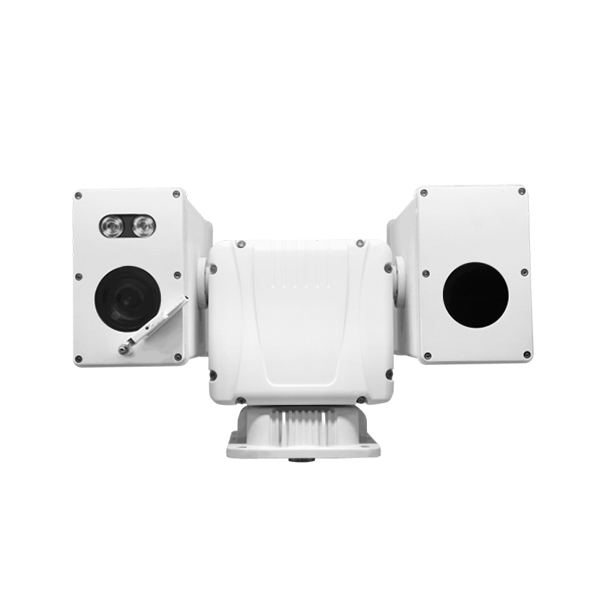
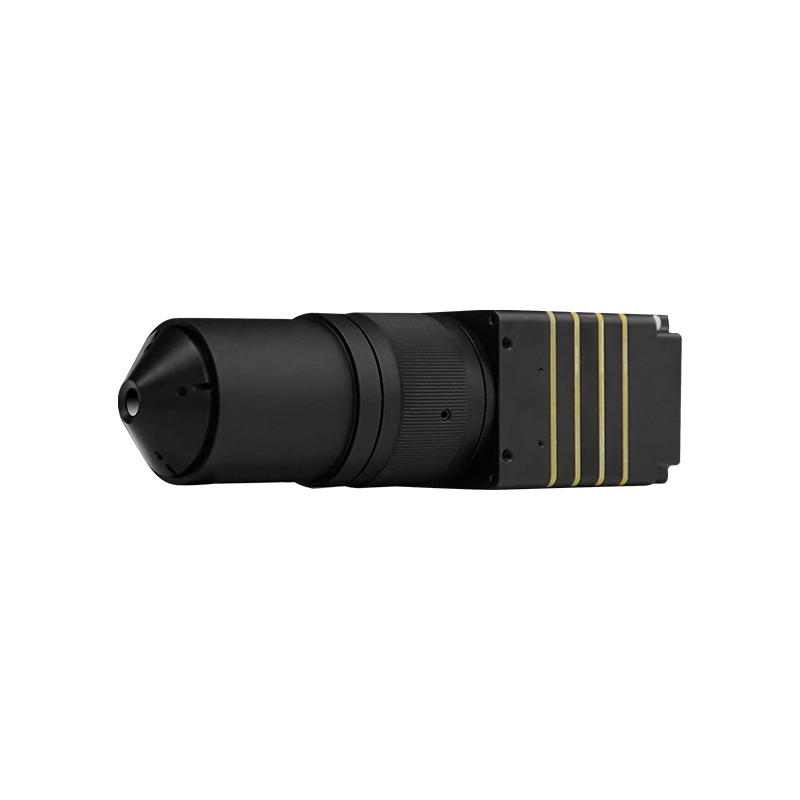
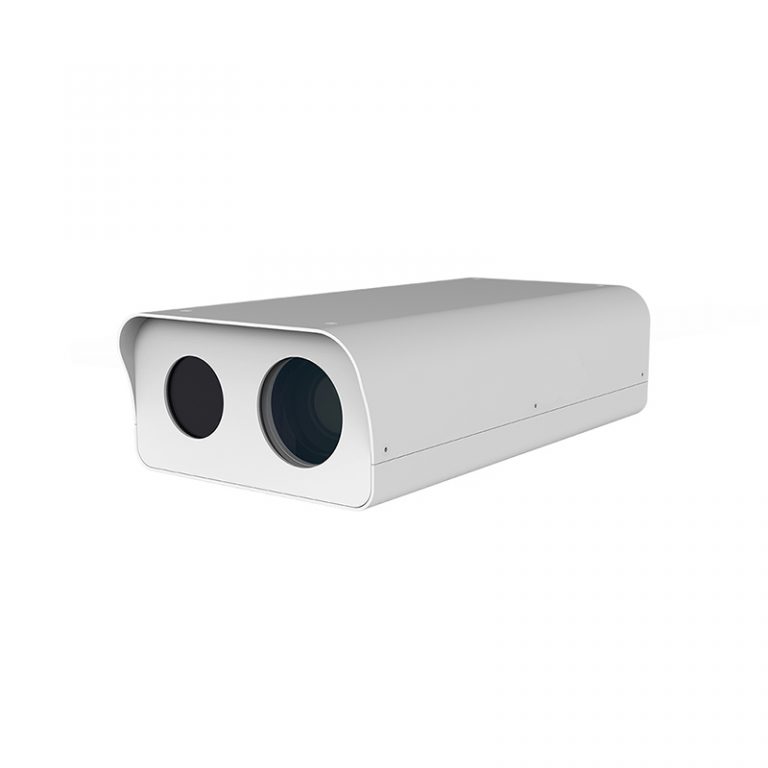
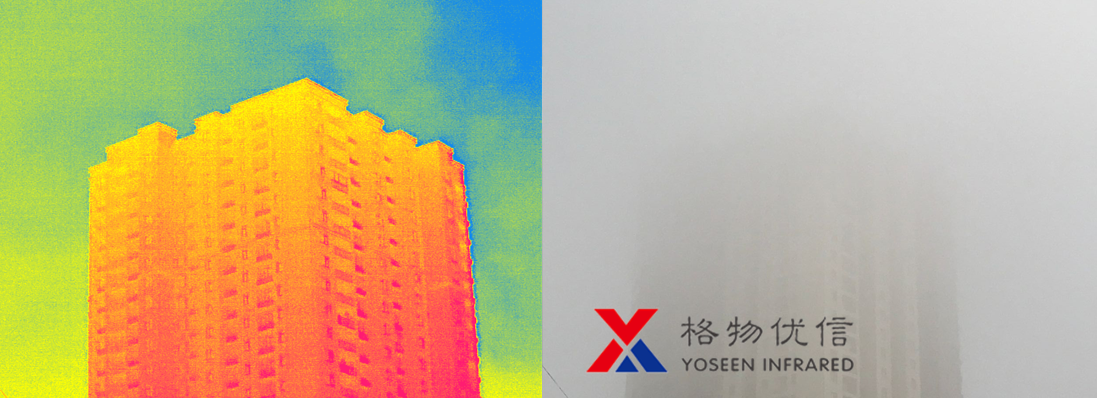
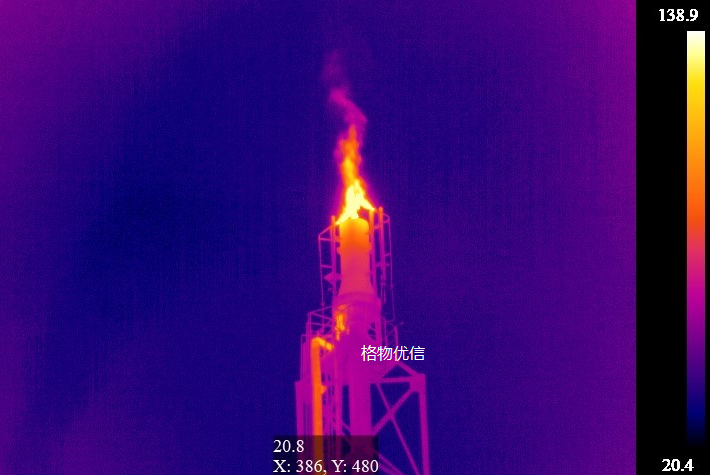
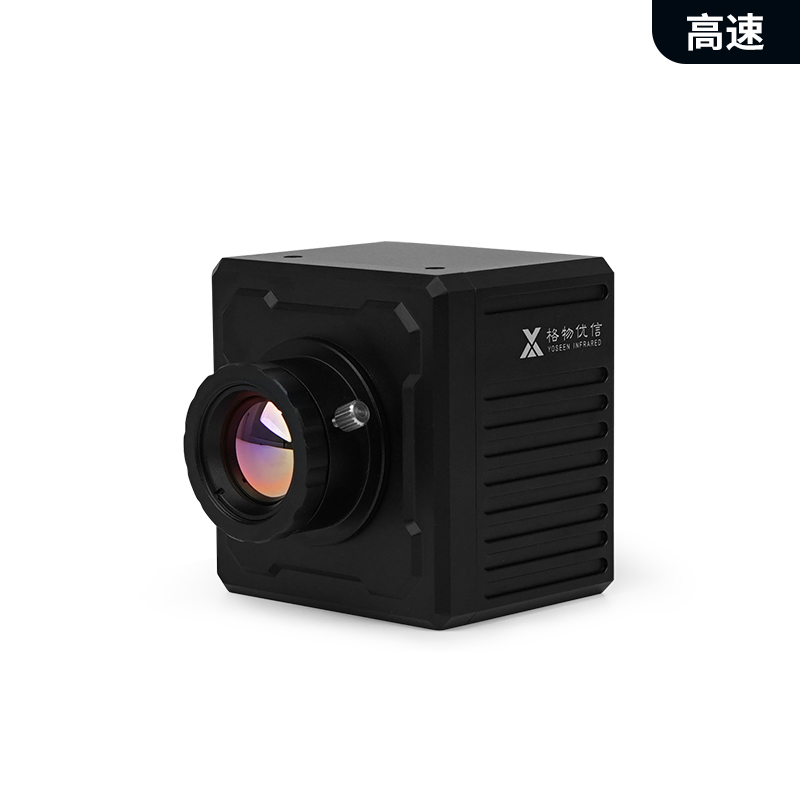
The flare monitoring solution implemented by Yoseen at Yanchang Petroleum uses a longwave infrared thermal imager. Compared with longwave infrared, visiblelight cameras are essentially useless at night and in poor weather, whereas longwave infrared (8–14 μm) has stronger penetration through smoke, water vapor, and dust, allowing it to capture thermal radiation signals from the flare tip even in rain, snow, or fog.
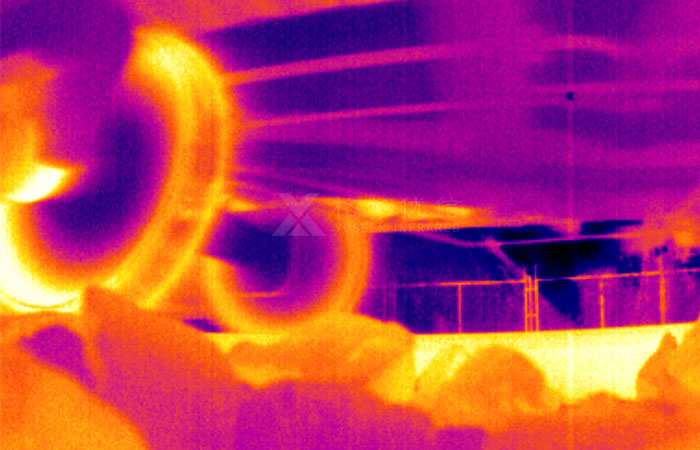
This means operators no longer need to climb the elevated platform. The thermal imager is installed in a safe area at ground level, aimed at the flare tip from a distance, and transmits thermal imaging footage in real time. The temperature distribution of the flame, the size of the combustion zone, and whether combustion is concentrated—all are instantly visible in the thermal image.
However, the core of this solution is not just “seeing”—it is “understanding.”
AI Algorithms: Identifying Combustion Intensity, Not Just a Single Temperature Reading
Ordinary thermal imagers output a temperature value. But the challenge in flare flame monitoring is that the flame is stratified; the pilot flame and the main flare flame often overlap, and atmospheric attenuation over long distances can interfere with temperature accuracy.
Yoseen has incorporated AI video algorithms into this system. The algorithm does not simply read temperature thresholds; it identifies and annotates the combustion intensity of the flame. The system can distinguish the stable combustion zone of the pilot flame from the emission combustion zone of the main flare, determine whether combustion is complete, and correct for temperature attenuation over longdistance transmission.
In other words, the system does not output isolated data like “800 °C at a certain point on the flare tip.” Instead, it provides actionable judgments such as “pilot flame combustion normal, main flame combustion intensity adequate, overall combustion status stable.”
The temperature correction function is particularly useful in longdistance monitoring scenarios. For elevated flares above 80 meters, when shooting from ground level, the atmospheric path is long, and thermal radiation attenuation is significant. Without correction, measured temperatures are lower than actual values, which can lead to misjudgment of combustion status. After algorithmic correction, the temperature data is closer to the true value, providing more reliable references for the DCS and environmental safety departments.
NonContact Deployment, Replacing HighRisk Manual Maintenance
Another practical benefit of this solution is its noncontact deployment.
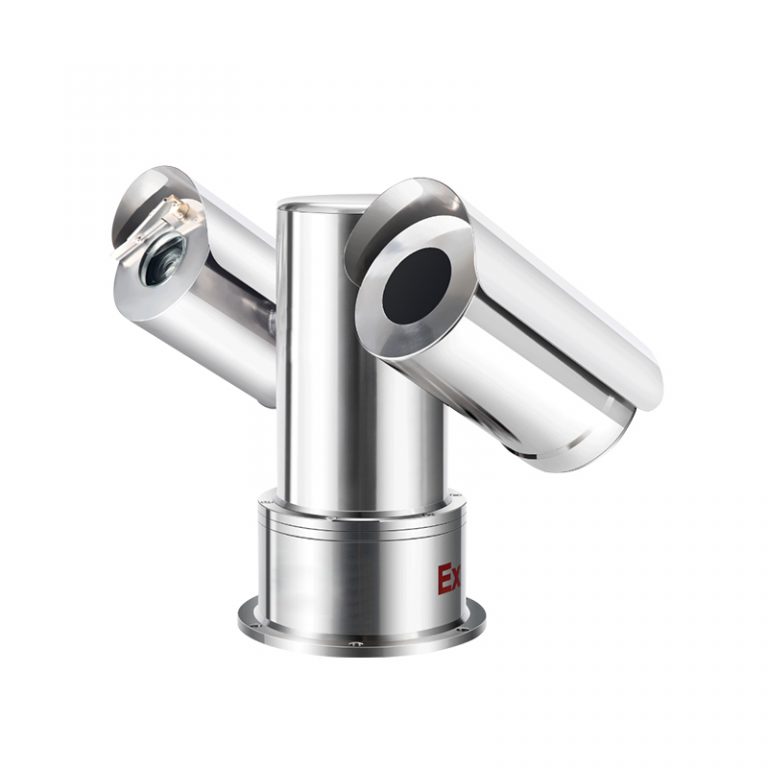
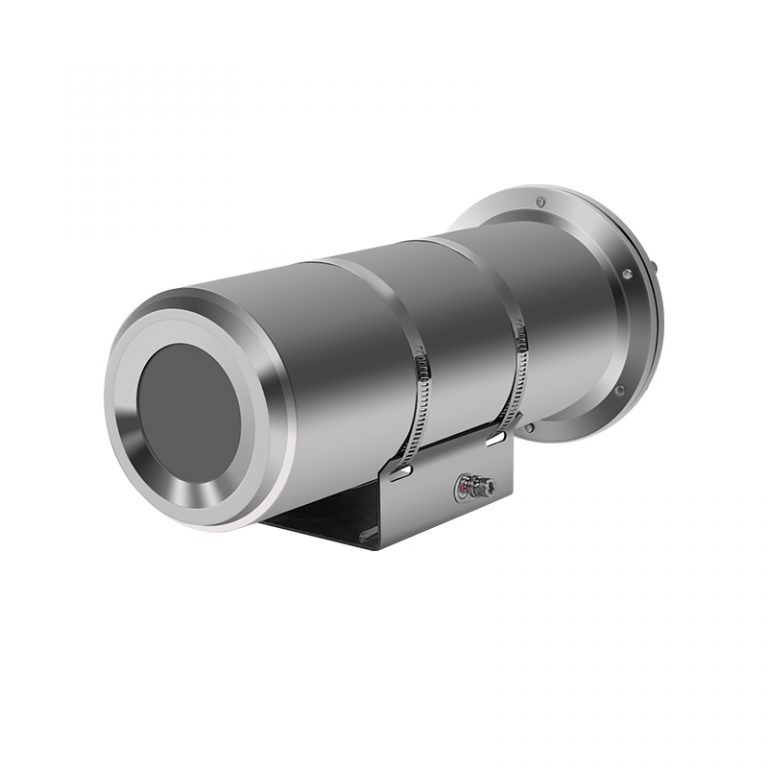
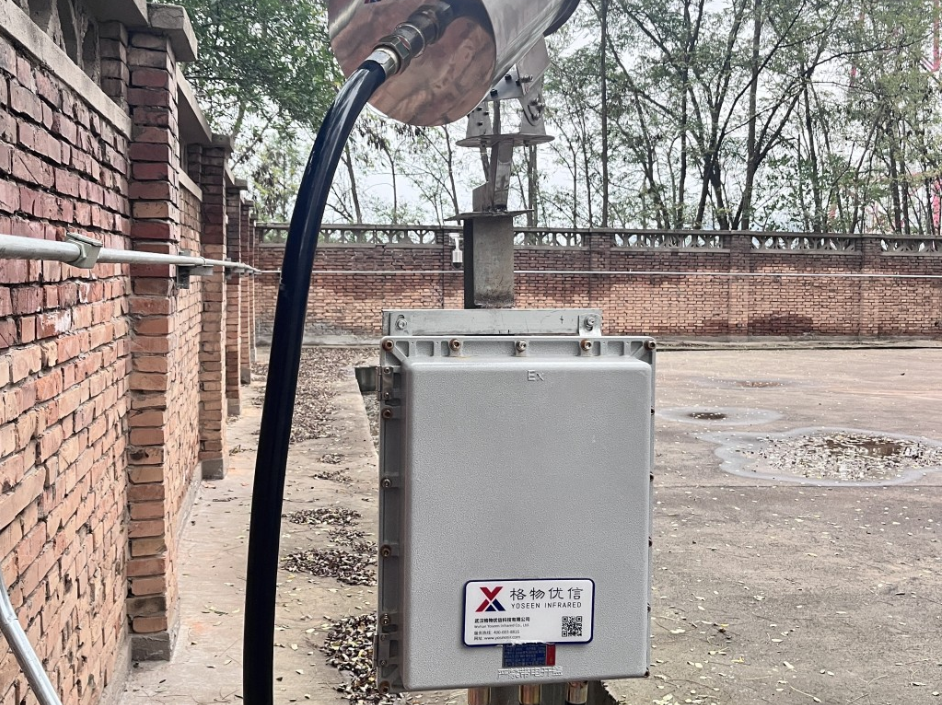
Thermocouples must be placed close to or inserted into the flame area, requiring work at height for installation and maintenance. The longwave infrared thermal imager, however, is housed in an explosionproof enclosure at ground level, with Ex d IIC T6 certification, making it directly suitable for the explosive gas environments in refinery process areas. Maintenance personnel can perform equipment checks and adjustments from the ground, eliminating the need to risk climbing the flare platform. Yoseen’s equipment is installed at safe ground locations, with easy access for routine servicing.

Feedback from the Yanchang Petroleum project shows that this system addresses several longstanding pain points in flare monitoring: inability to observe in bad weather, dangerous and frequent manual inspections, short thermocouple life and high maintenance costs, and a lack of quantitative basis for judging combustion status.
Industry Trend: Flare Monitoring Shifts from “HumanBased” to “TechnologyBased” Prevention
With tightening environmental regulations, flare gas emissions and combustion efficiency are receiving increasing attention. The traditional approach of judging flare combustion status by human eyes and experience can no longer meet the requirements of refined management and regulatory compliance.
The combination of longwave infrared thermal imaging and AI algorithms essentially elevates flare monitoring from a humandependent practice to a technologydriven safeguard. No one needs to climb up to look; no guesswork is needed about combustion status. The system operates 24/7, delivering corrected and recognized structured data.

The implementation of Yoseen’s solution at Yanchang Petroleum provides a reference model for the industry. For refineries still relying on thermocouples and manual inspections, the technological upgrade of flare monitoring may be more urgent than you think. After all, when it comes to emissions compliance, you cannot afford to leave things to chance.