
2026-07-07 17:08
As industrial production places everhigher demands on equipment safety and continuous operation, realtime monitoring and early warning of longitudinal belt tears have become an increasingly important concern in mining, power generation, steelmaking, ports, and other sectors. Recently, Yoseen, a provider of industrial vision inspection solutions, officially released its newly upgraded longitudinal belt tear prevention detection system. The system deeply integrates laser scanning, highspeed camera vision, and infrared thermal imaging technology, combined with AIbased image recognition algorithms, to achieve multidimensional, highprecision realtime monitoring of belt surface and structural damage. Compared with traditional belt tear detection methods, it provides more timely prevention of accidents and economic losses, marking a new stage of intelligent, precisionbased safety protection for conveyor belts in the industry.

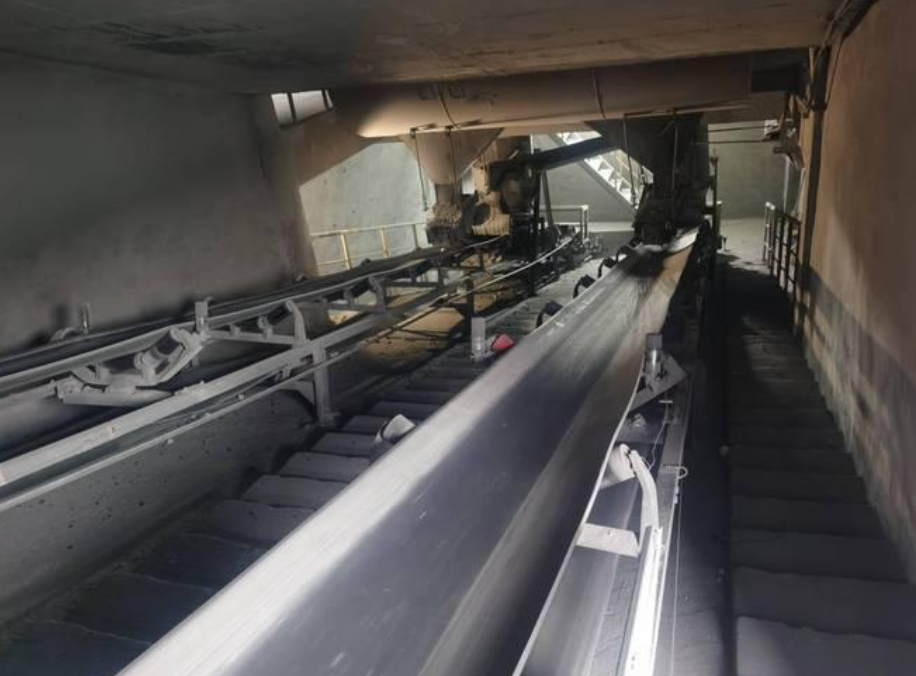
During operation, conveyor belts are often subject to longitudinal tears caused by foreign object scratches, material impact, structural fatigue, and other factors. If not identified and addressed in time, such tears can easily lead to complete belt rupture, equipment damage, or even production safety incidents, resulting in severe economic losses and operational risks. Traditional detection methods often rely on manual inspection or single sensors, which suffer from response lag, blind spots, and susceptibility to environmental interference. Drawing on years of practical experience and technical accumulation in industrial vision and infrared inspection, Yoseen has developed two complementary detection solutions, building a fullprocess protection system covering “early warning – precise identification – immediate response.”

Solution 1: Laser + HighSpeed Vision Precision Tear Detection System
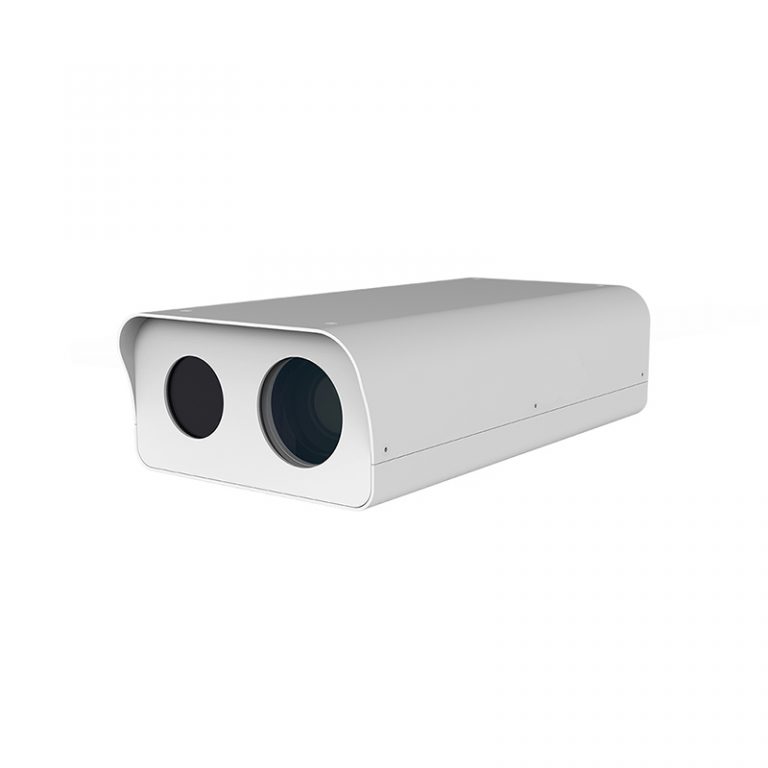
This system uses a linear laser beam to scan the full width of the belt crosssection, while a highspeed industrial camera captures the laser line shape in real time. When damage such as scratches or cracks appears on the belt surface, the laser line deforms accordingly. The system analyzes the smoothness and continuity of the laser line in real time using highframerate image processing algorithms, thereby precisely determining the location and extent of the damage. This solution is suitable for rapid and stable detection of existing tears or obvious surface defects, with a minimum recognition accuracy of 4 mm and a detection frame rate of 60 Hz. It operates reliably within a belt speed range of 0–5 m/s. The system supports customisable alarm thresholds based on damage severity, provides threelevel alerts, and includes an automatic shutdown masking function to effectively reduce false alarms.Solution 2: Infrared Prejudgment + Laser Scanning + AI Vision Multispectral Detection System
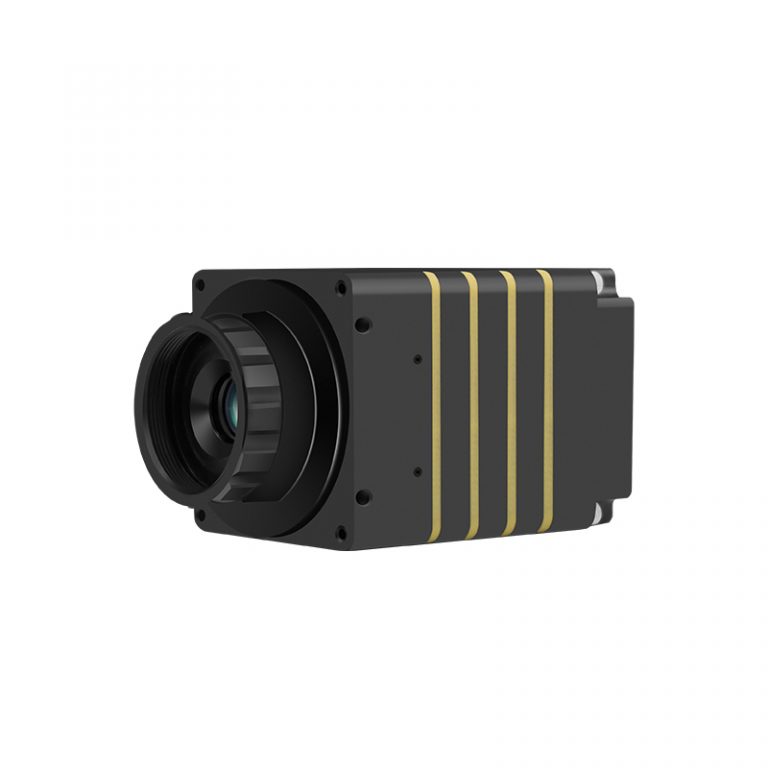
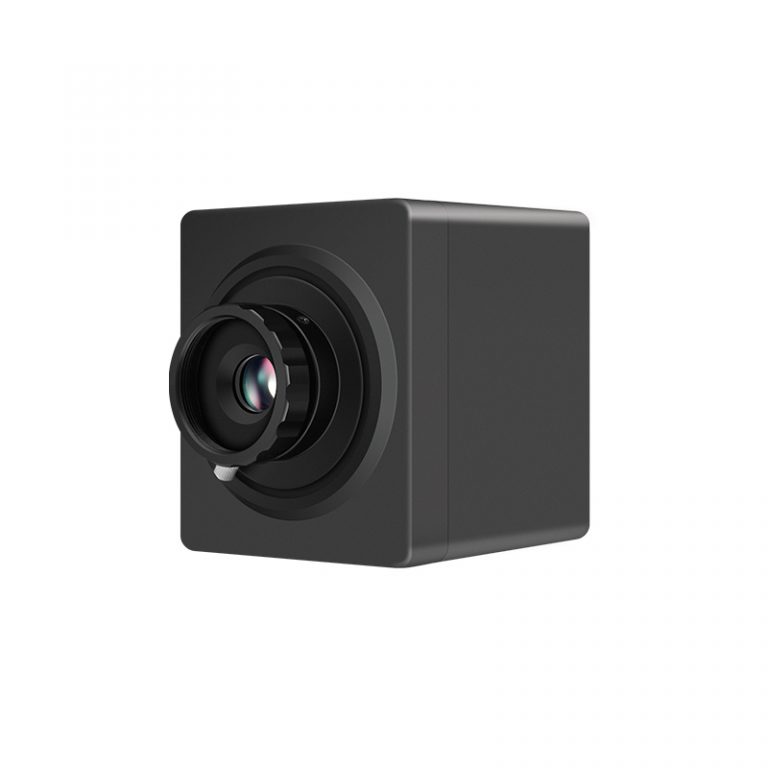
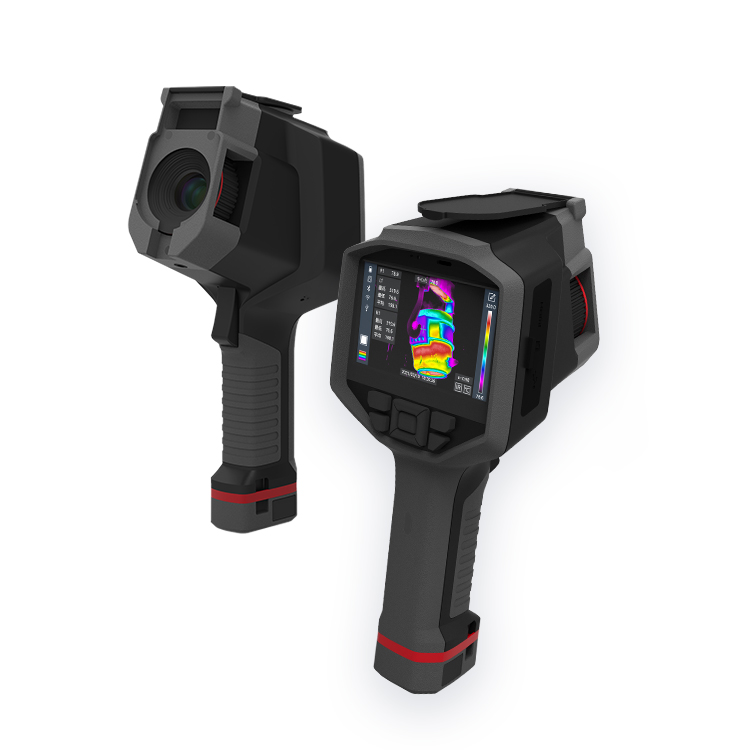
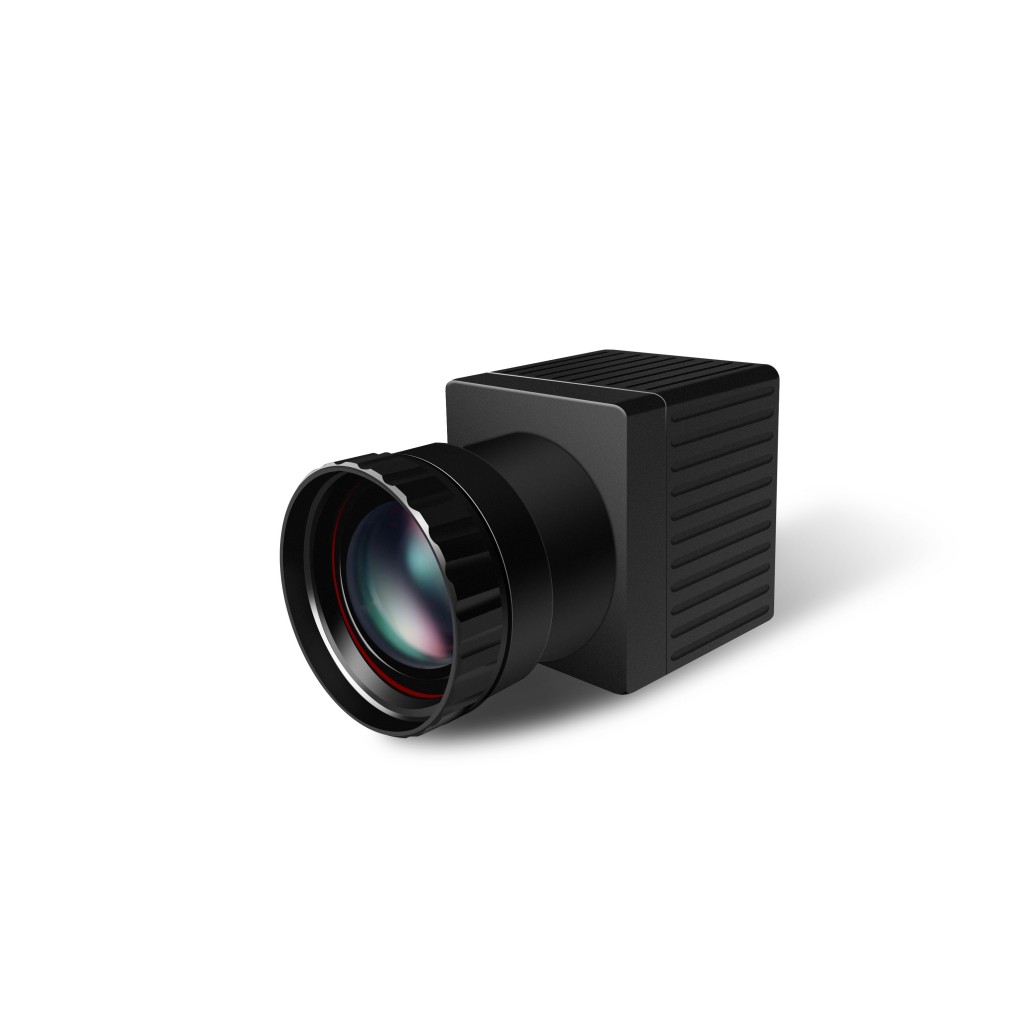
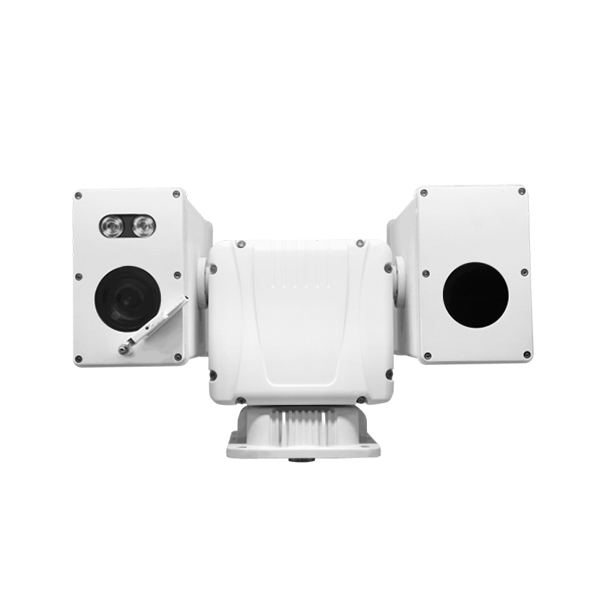
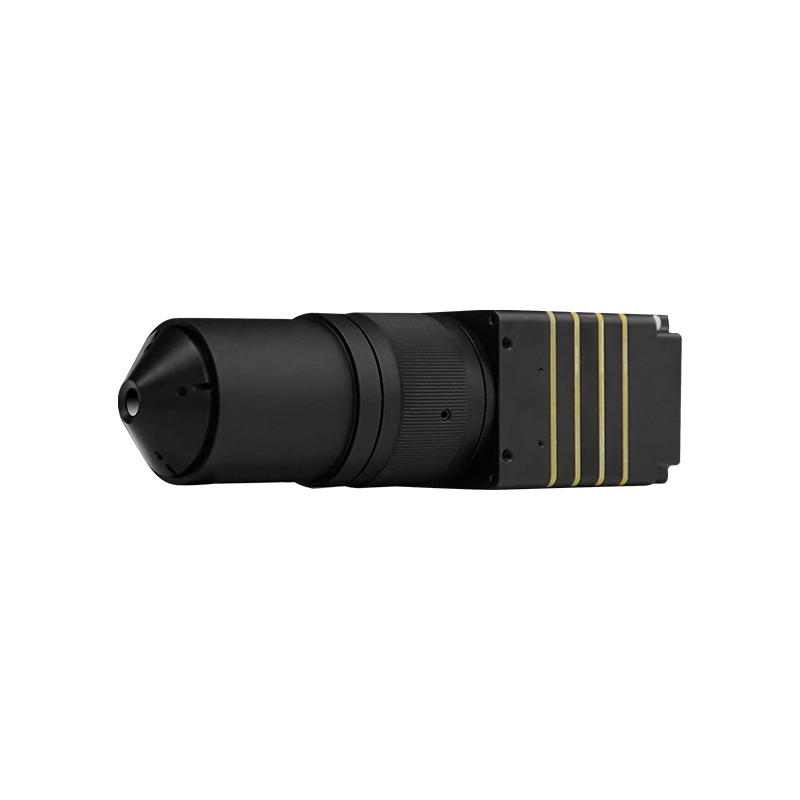
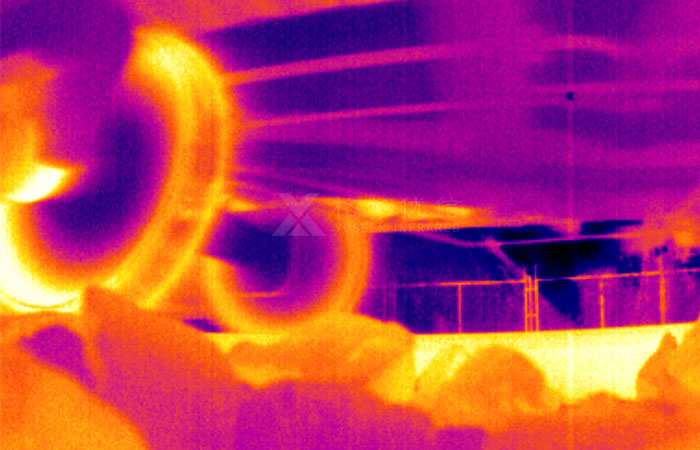
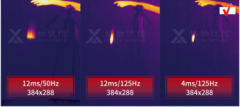
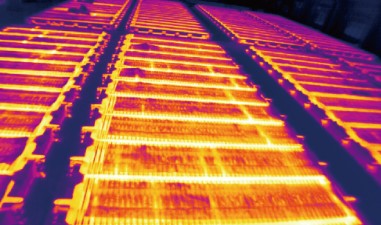
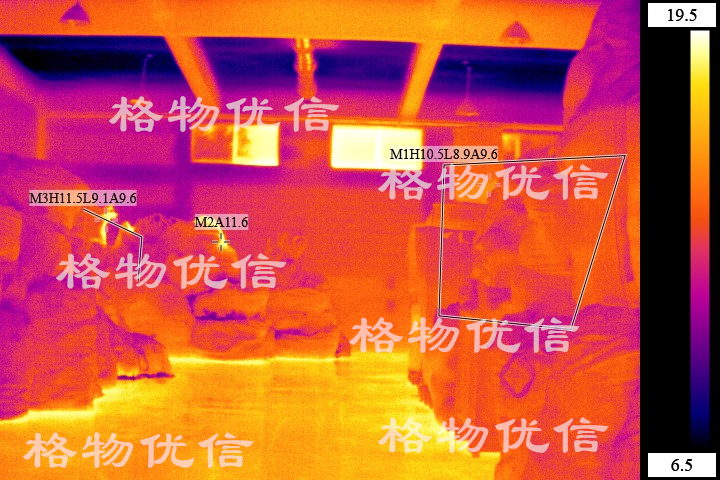
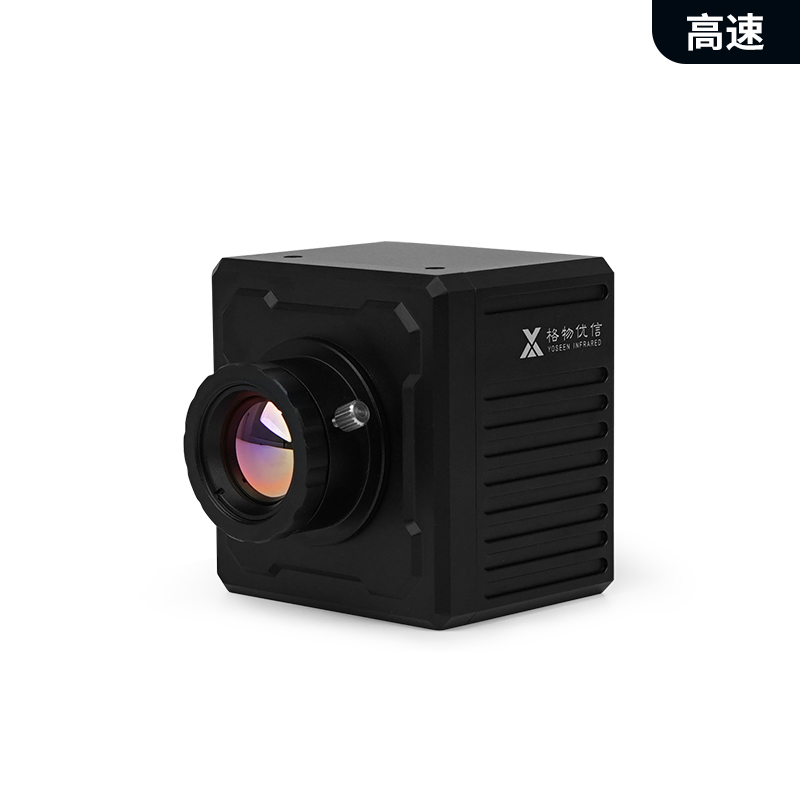
To further enhance early warning capability and broaden the dimensions of damage assessment, Yoseen has innovatively combined infrared thermal imaging with visiblelight vision to form a multispectral collaborative detection solution. The infrared module monitors the temperature field distribution on the belt surface in real time at a high frame rate of 125 Hz, sensitively capturing local temperature anomalies caused by friction or damage. This enables early warning of scratches and identification of hidden damage before a tear occurs. At the same time, the laser and visiblelight cameras continuously scan the surface morphology, and AI algorithms intelligently analyse image features to classify various damage types, including cracking, flap peeling, and throughpenetrating tears. The system is also equipped with a mechanical scrapertype selfcleaning device to prevent dust and moisture from contaminating the lenses, ensuring longterm stable operation.

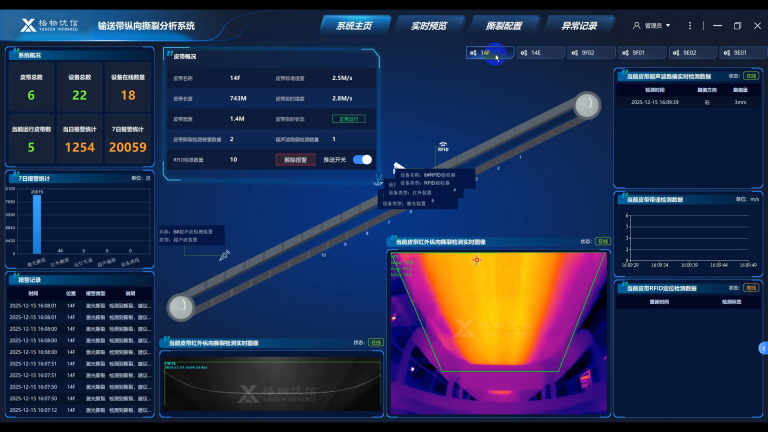
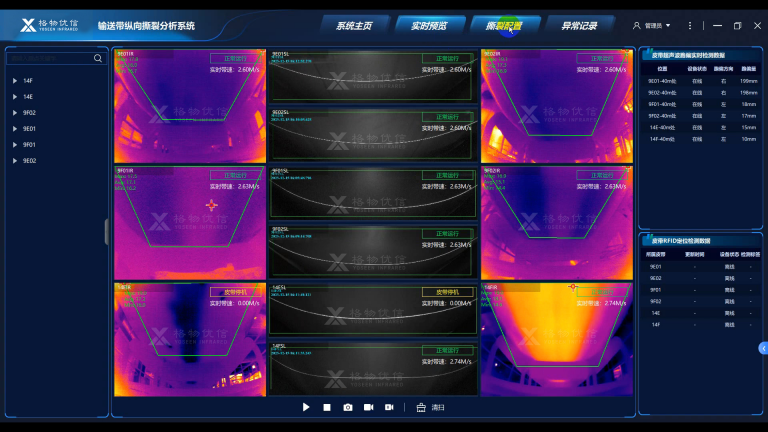
In terms of system functions, both products support 24/7 automatic monitoring, automatic damage identification, realtime audible and visual alarms, and remote notifications. Detection data and alarm images are automatically stored, with historical records traceable for up to three months, providing a basis for accident analysis and preventive maintenance. The system’s host computer software features a clean and intuitive interface, with functions including realtime image preview, parameter settings, alarm management, and report export, making it easy for onsite personnel to operate and monitor the status. In addition, the system supports integration with industrial control networks, enabling alarm linkage with PLCs. In the event of a severe tear, it can automatically trigger conveyor shutdown to prevent accident escalation.
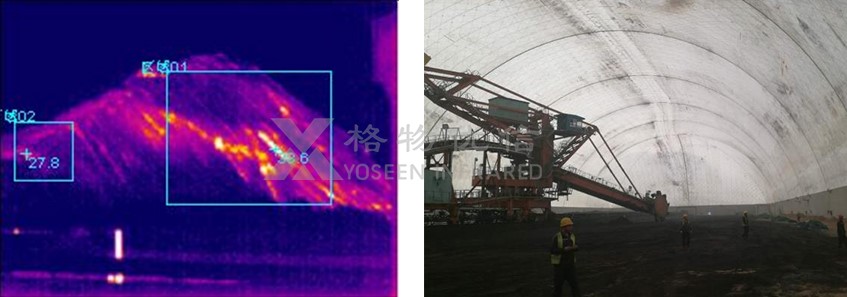
This series of systems from Yoseen has already been applied in multiple key industrial scenarios across China, including largescale steel plant sintering belts in Yunnan, coal conveying lines in a Xinjiang power plant, mining belts at Anhui Mining Group, conveying systems at Shandong ports, and several largescale projects in Shaanxi, Liaoning, and other regions. Longterm operational feedback indicates that the systems achieve high recognition accuracy and strong antiinterference capability, effectively helping users shift from “postfailure repair” to “prefailure prevention” in safety management, while reducing unplanned downtime and maintenance costs.
Looking ahead, Yoseen will continue to focus on industrial safety and operational efficiency, deepening the integration and innovation of vision inspection technology with artificial intelligence and IoT platforms. The company aims to provide customers with more reliable and intelligent equipment condition monitoring and safety management solutions, supporting the industry’s intelligent transformation and sustainable safety development.