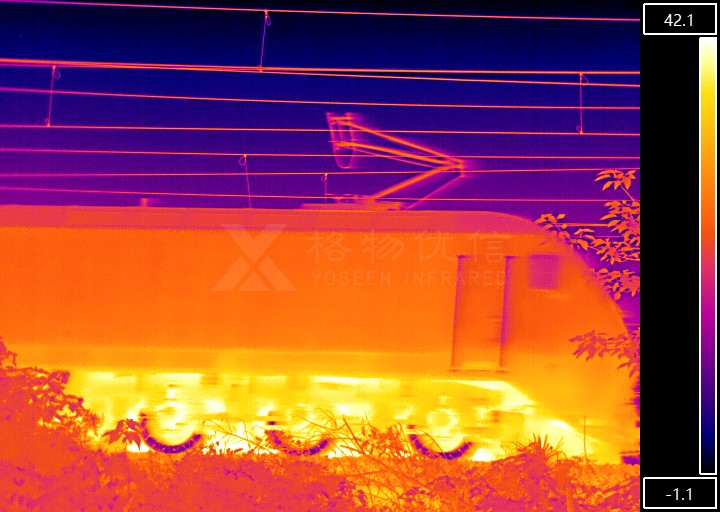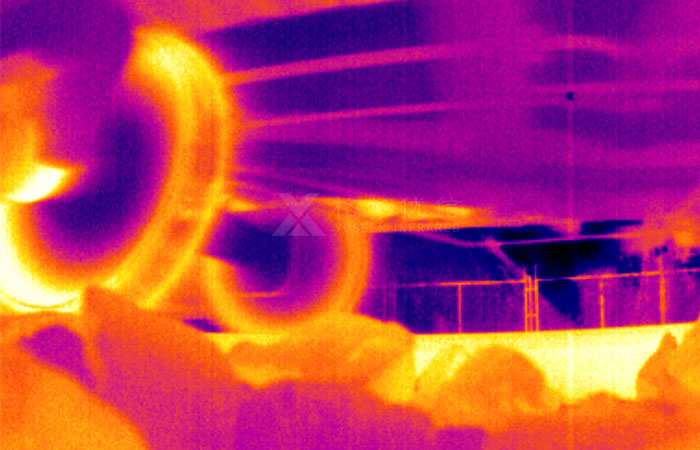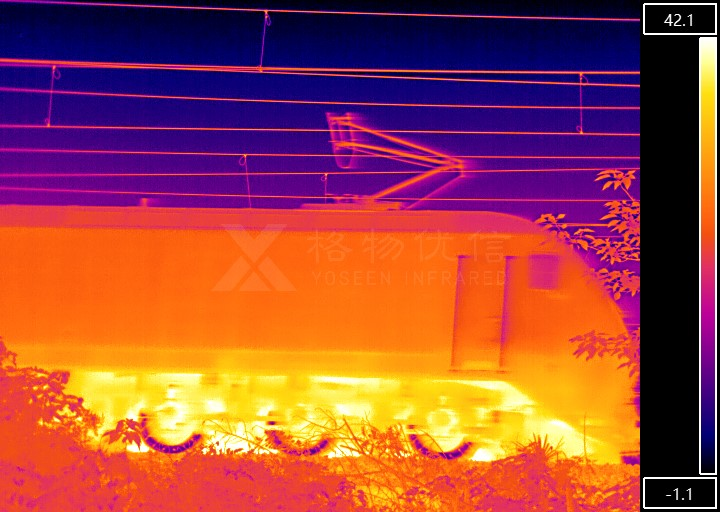

Against the backdrop of rapidgrowing electrified railways, electrictraction trains have become the backbone of rail transit. As the critical component that draws electric power from the catenary, the service condition of the pantograph directly determines train powersupply safety and operational efficiency. During train operation, pantograph shoes make direct frictional contact with overhead contact wires while heavycurrent flows through the contact interface, generating substantial heat and raising shoe temperature. Under normal conditions, such temperature rise stays within controllable limits. However, pantograph faults may cause sustained friction and current conduction at local spots or zones, sending temperatures soaring beyond alarm thresholds. In severe cases, pantograph component damage or even catenary circuit failures may occur, resulting in power outages and train service disruptions.
Statistics indicate that pantographsystem failures account for 38 % of all EMU faults, among which hotspot overheating caused by poor pantographcatenary contact makes up as high as 67 %. Traditional manual inspection suffers from low efficiency. Maintenance crews are required to check hundreds of measuring points within merely two hours while trains are stabled in depots. Not only is the workload intensive, but latent faults are easily overlooked. To address this challenge, infrared thermal imagers, featuring noncontact measurement, realtime response and allweather monitoring capabilities, have become an ideal solution for pantograph temperature detection.

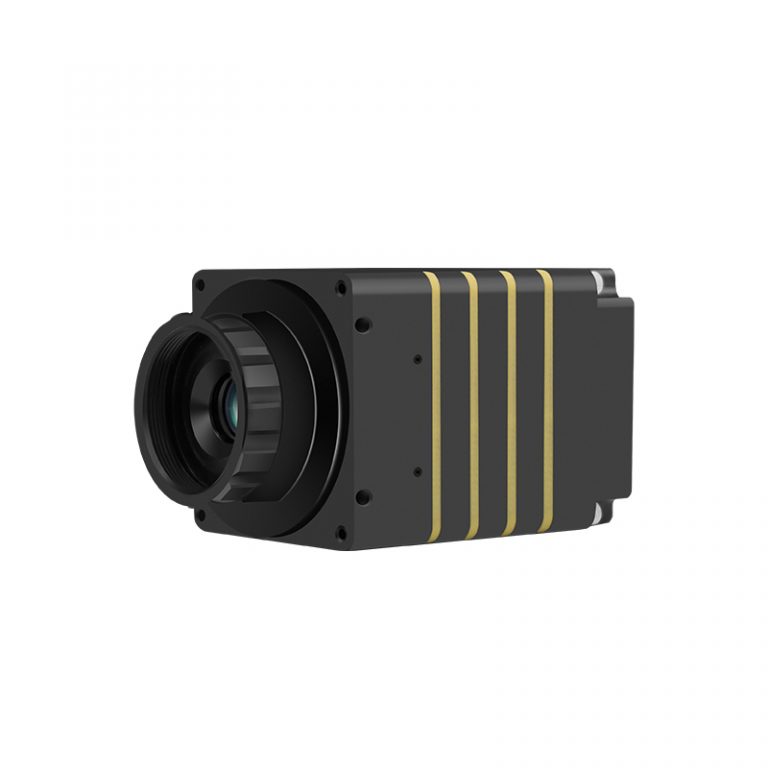
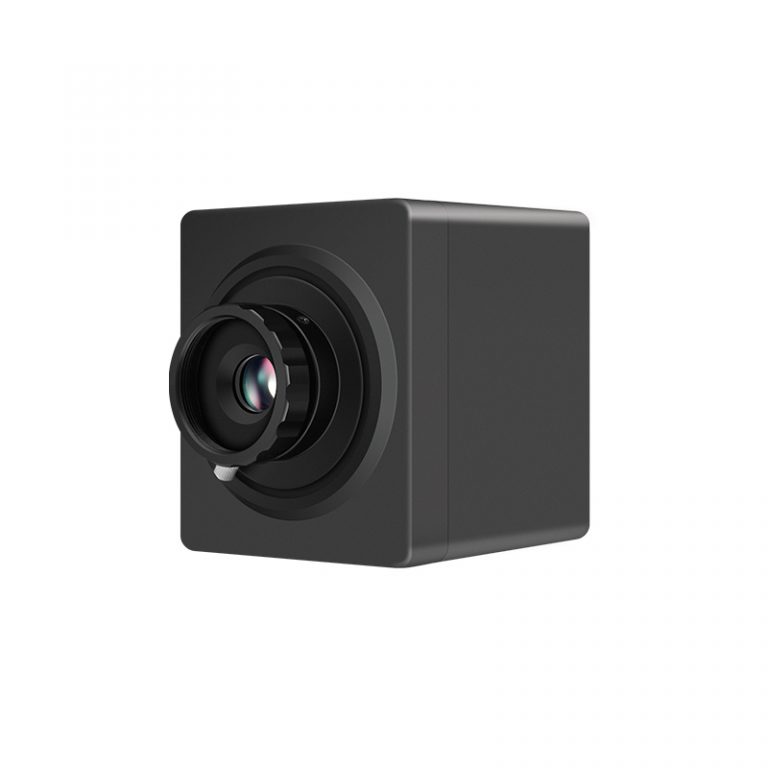
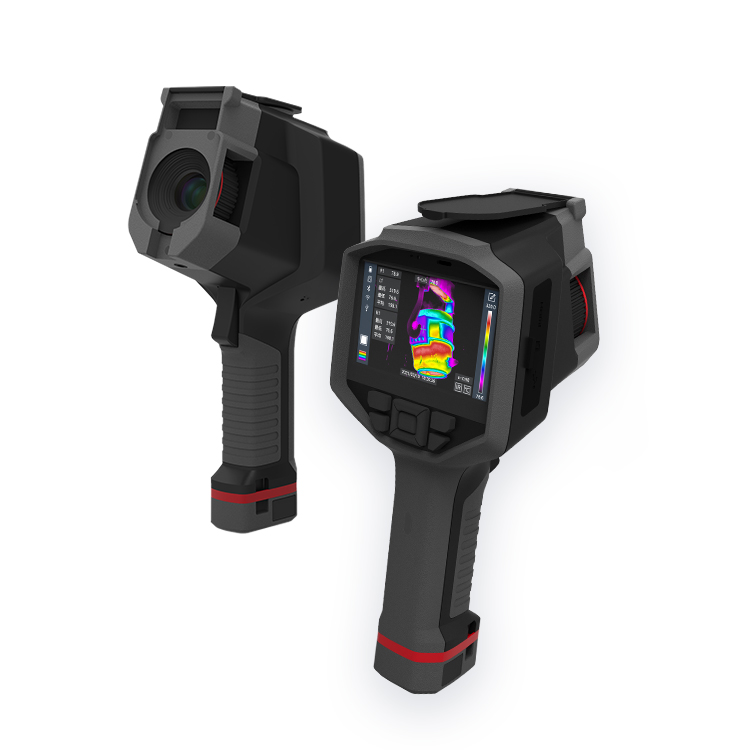
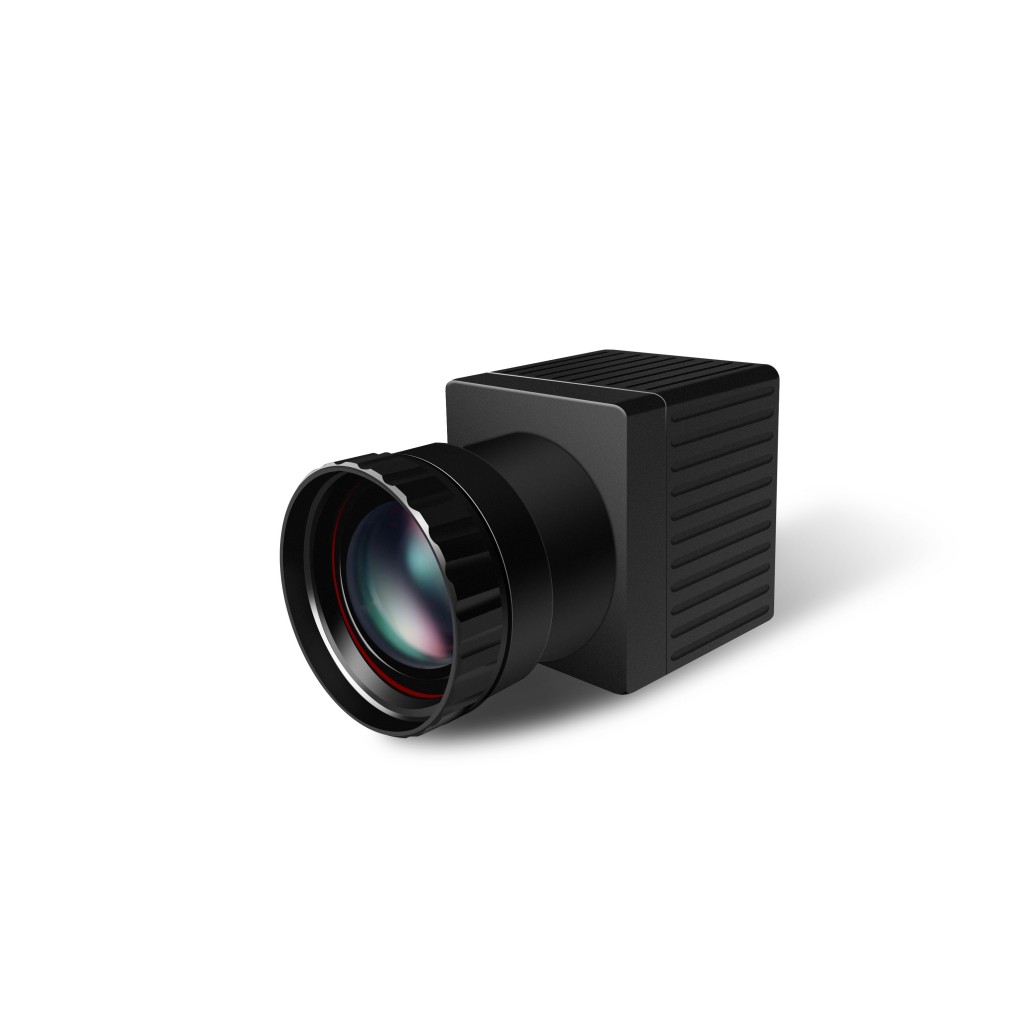
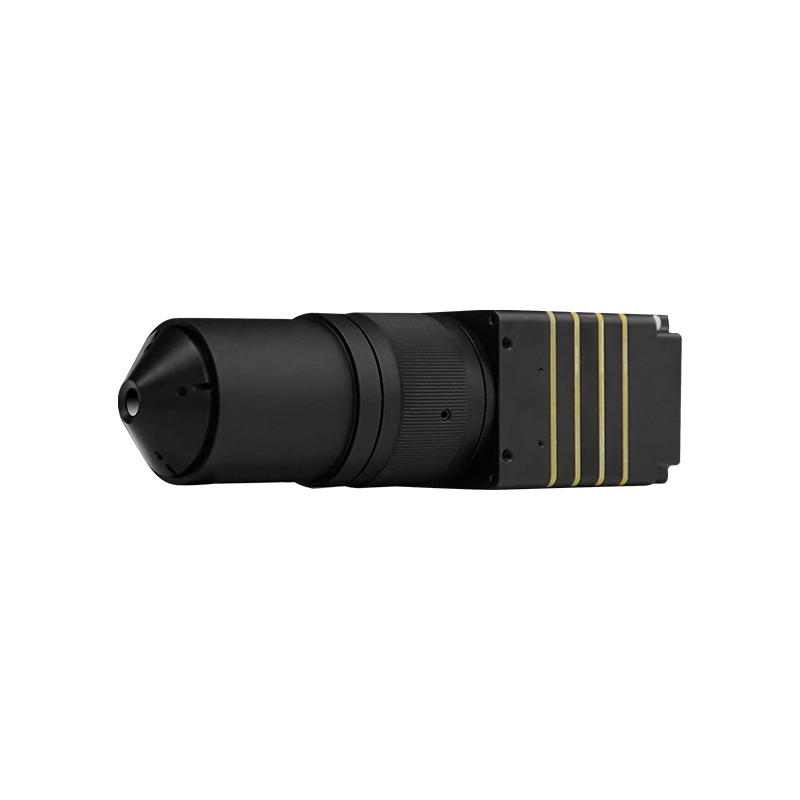
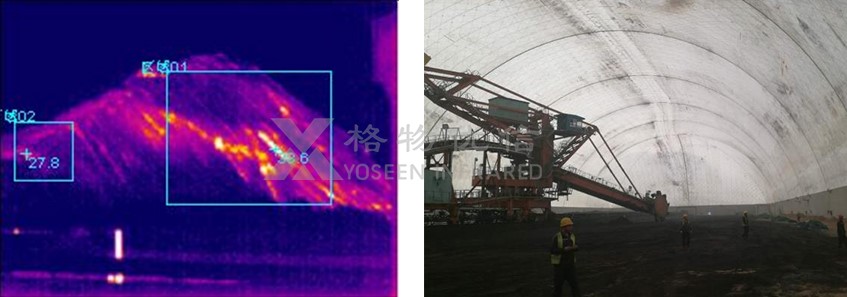
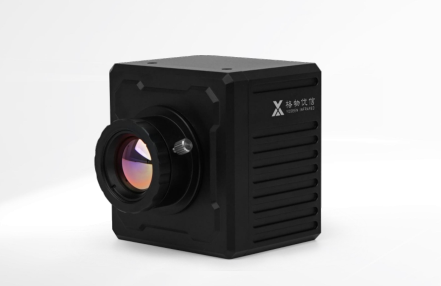
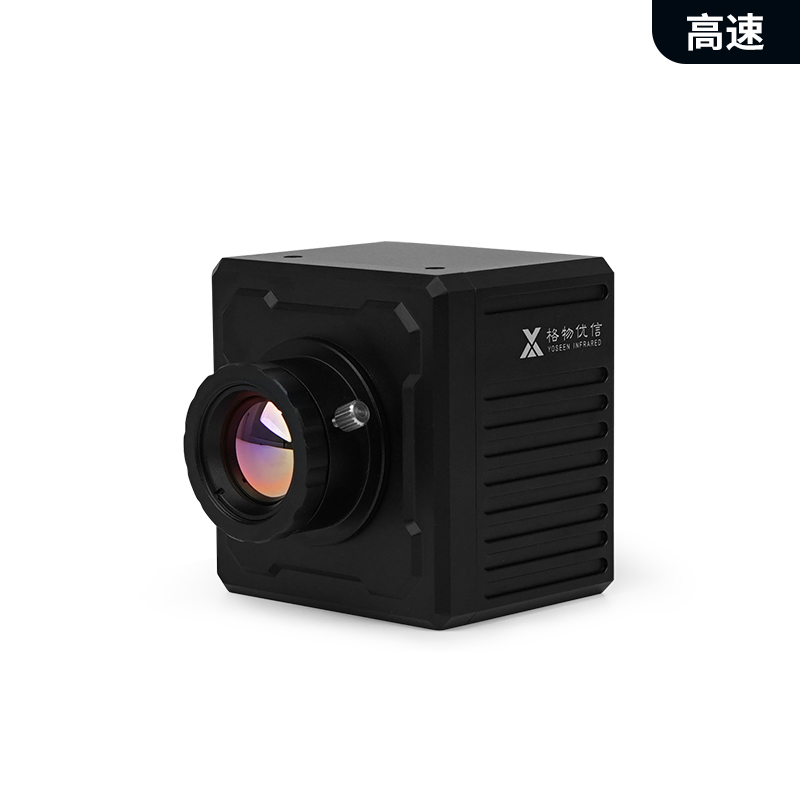
Among numerous infrared thermal imager products, the YOSEENX640E series stands out as a professional solution for pantograph monitoring thanks to its outstanding specifications and applicationspecific design. Equipped with a 640 × 480 highresolution infrared sensor with a 17 μm pixel pitch, it clearly captures subtle local temperature differences across pantograph surfaces and enables accurate faultpoint identification.
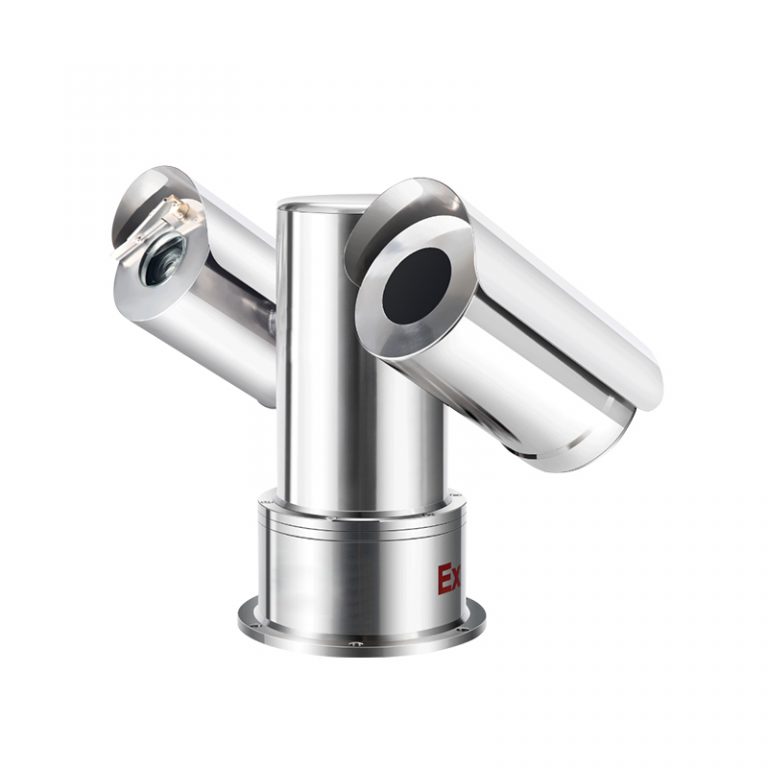
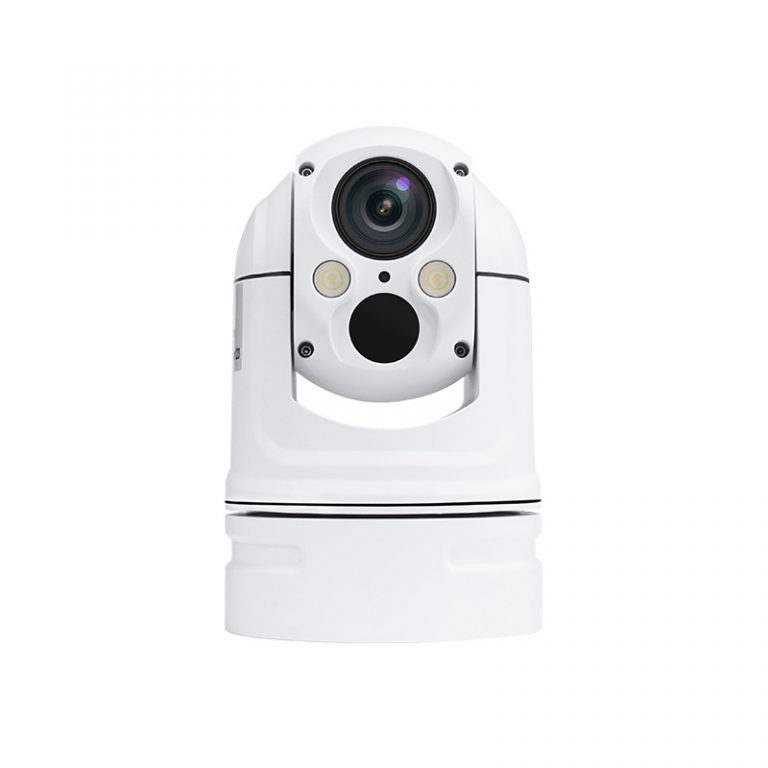
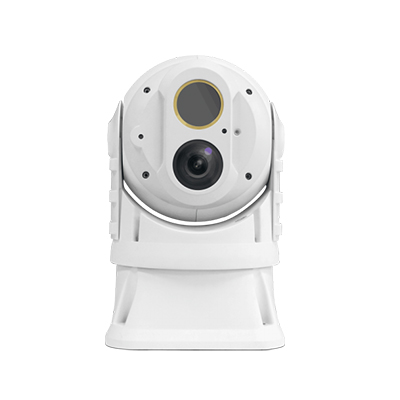
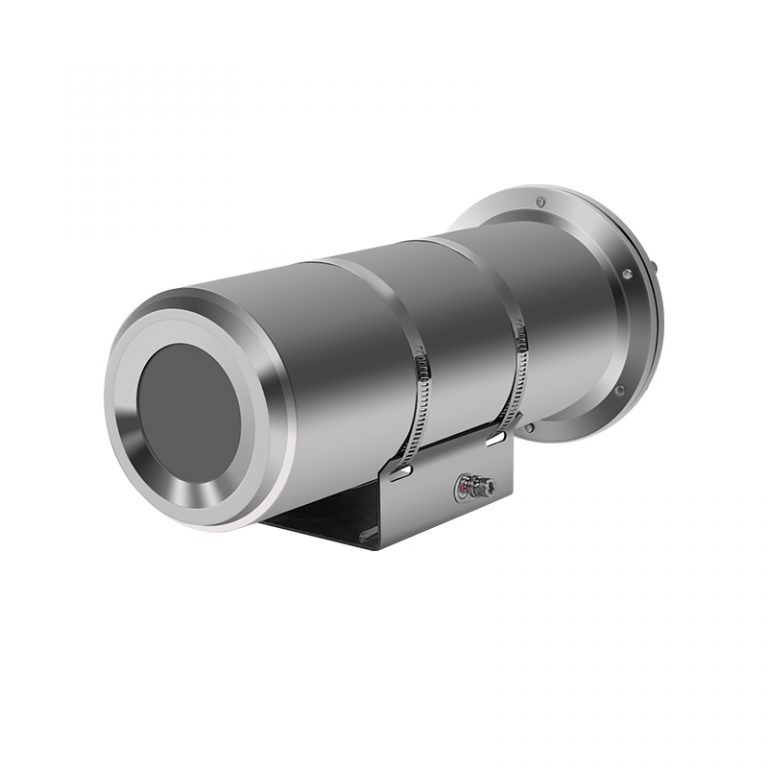
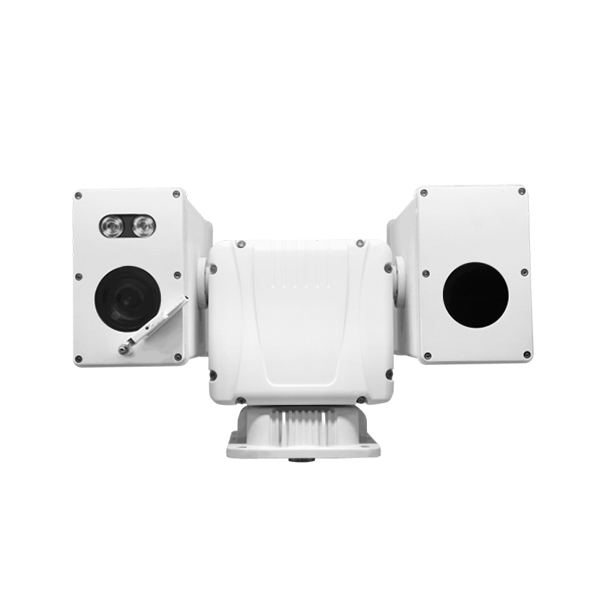
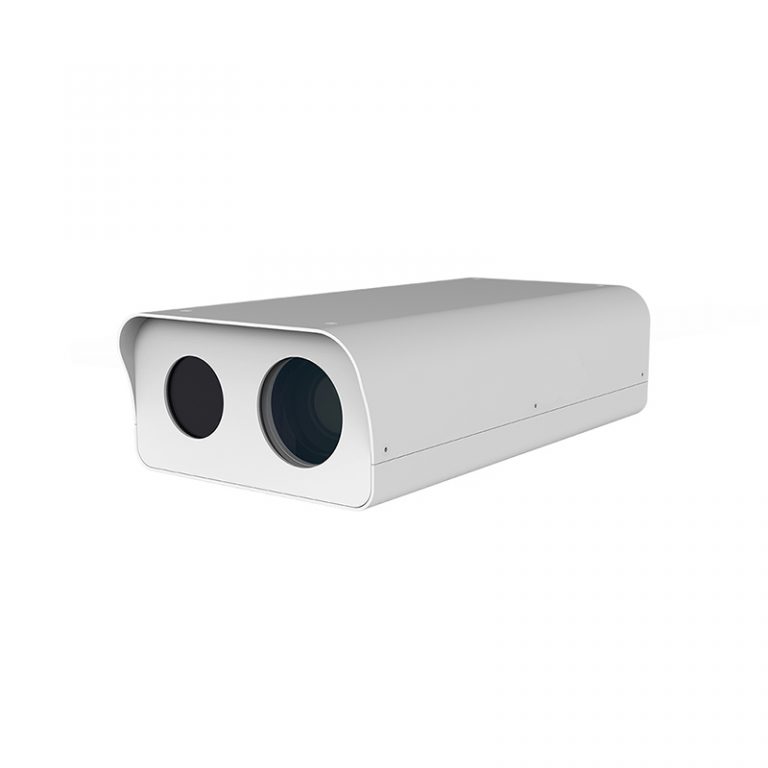
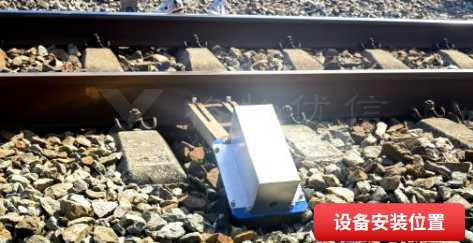
Tailored for the confined mounting space on train roofs and harsh operating environments, the YOSEENX640E adopts a compact integrated design. Its small footprint and light weight facilitate installation on flat roof areas in front of pantographs without interfering with pantograph lifting/lowering or other onboard equipment. Moreover, the rugged unit with a professional protective enclosure withstands vibration and shock during train operation and delivers stable performance across extreme temperature ranges from 20 °C to +80 °C.
Railtransit equipment operates outdoors yearround and is subject to contamination, corrosion, rain, snow, fog, sand and other harsh conditions. Boasting a highlevel protection rating, the YOSEENX640E delivers clear thermal imaging under rain, snow, fog and sandstorms and enables nonstop 24hour temperature monitoring. It performs reliably in frigid northern regions as well as hot southern territories, delivering genuine allweather protection regardless of wind or rain.
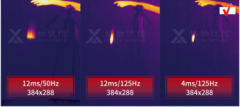
The interaction between pantographs and catenary wires changes in milliseconds during highspeed train travel. Adopting 50 Hz highframerate imaging technology, the YOSEENX640E offers responsive performance and lagfree, smearfree imagery to rapidly capture temperature variations of fastmoving pantographs. This capability is particularly valuable for detecting transient electric arcs and sparking triggered by poor pantographcatenary contact. The system can detect a 0.1 °C temperature difference within 0.1 seconds and issue early warnings for potential faults.

Supported by professional temperaturemeasurement software, the YOSEENX640E delivers powerful intelligentanalysis functions. The system automatically locates maximumtemperature points within the field of view. Once readings exceed preset thresholds, visualaudible alarms activate instantly, and notifications are dispatched to relevant personnel via email, SMS and other channels. Fullvideo recording and data storage are supported to facilitate offline postevent analysis and fault tracing.
Beyond pantographshoe temperature measurement, the YOSEENX640E comprehensively evaluates overall pantograph system health:
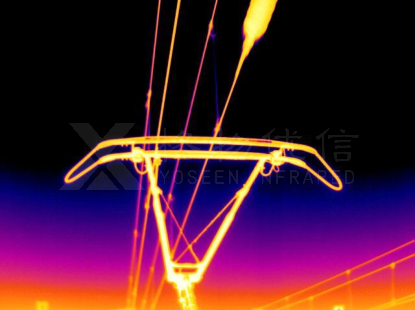
· Pantographshoe wear monitoring: Accurately detects carbonshoe detachment, notches and uneven wear. These defects manifest as distinct thermal anomalies on thermal images and allow maintenance teams to carry out timely interventions.
· Pantograph mechanicalcondition diagnosis: Thermaldistribution analysis indirectly identifies mechanical anomalies such as deformed or broken horns, tilted pantograph frames and centreoffset deviation.
· Pantographcatenary contactpressure evaluation: Overall shoesurface thermaldistribution analysis assesses whether contact pressure is within normal ranges. Insufficient pressure gives rise to electric arcs due to poor contact, while excessive pressure leads to abnormally high overall temperatures.

As the railtransit industry moves toward intelligence and digitalisation, conditionbased maintenance has become the mainstream equipmentmanagement strategy. Realtime monitoring data from the YOSEENX640E can feed into digitaltwin platforms to build fulllifecycle databases for pantographs. By analysing accumulated historical datasets, maintenance teams gain precise visibility over pantograph health status. Carbonshoe replacement cycles can be optimised from fixedinterval replacement to conditionbased replacement, substantially cutting maintenance costs. In a practical EMU depot case study, analysis of 120 TB of data accumulated over three years successfully extended shoe replacement intervals from 3 months to 5 months, reducing material costs by 40 %.
Infrared thermal imagers deliver irreplaceable technical value for online pantograph monitoring. Featuring high resolution, high frame rate, high ingressprotection rating and robust intelligentanalysis functions, the YOSEENX640E series provides reliable safeguards for safe railtransit operation. A quiet technical revolution is reshaping every link of railway maintenance: shifting from manual inspection to intelligent perception, and from reactive repair to proactive prevention. Next time you ride a highspeed train, you may glance upward at that quiet “infrared eye” mounted on the roof — it guards Chinaspeed travel with technological power.