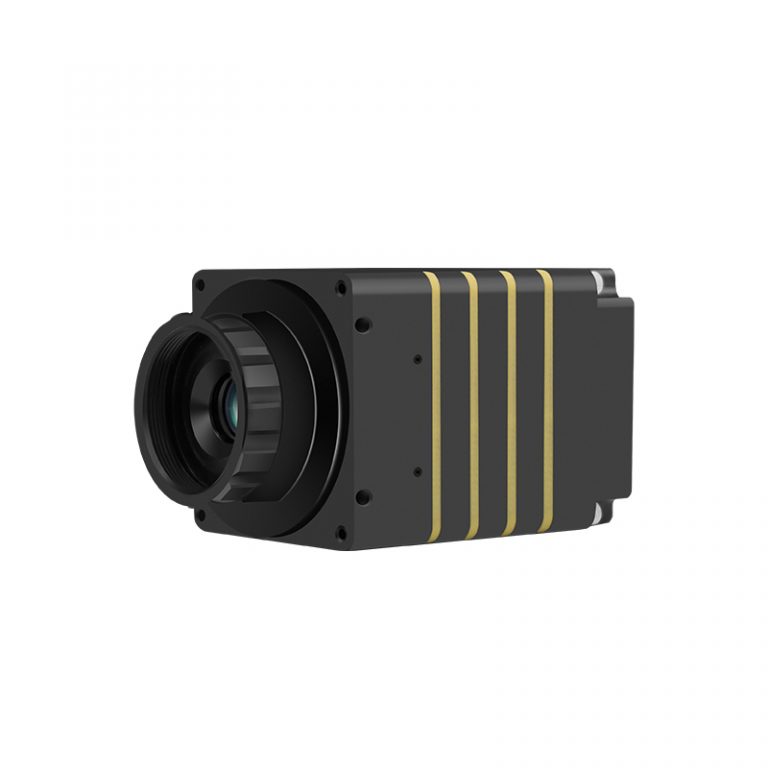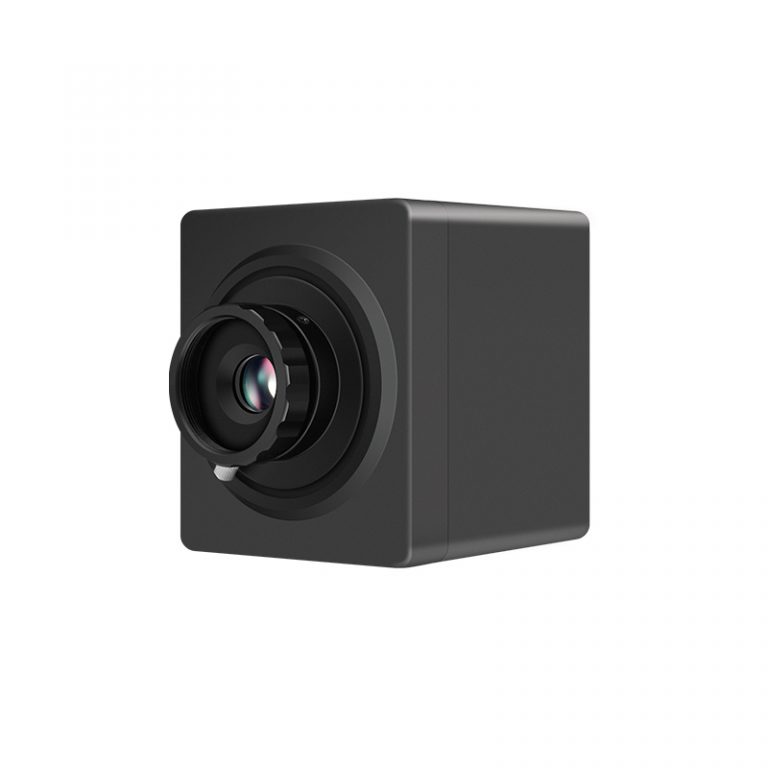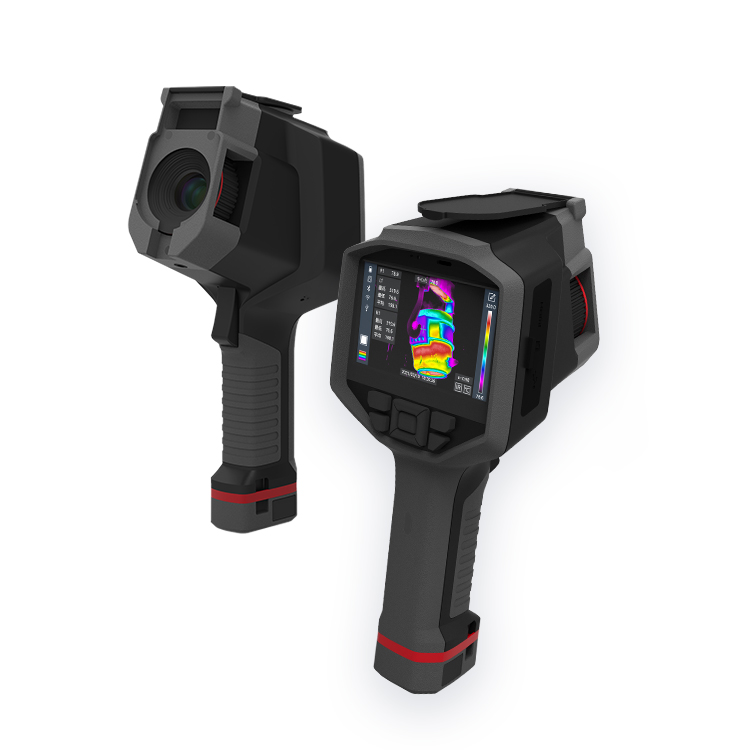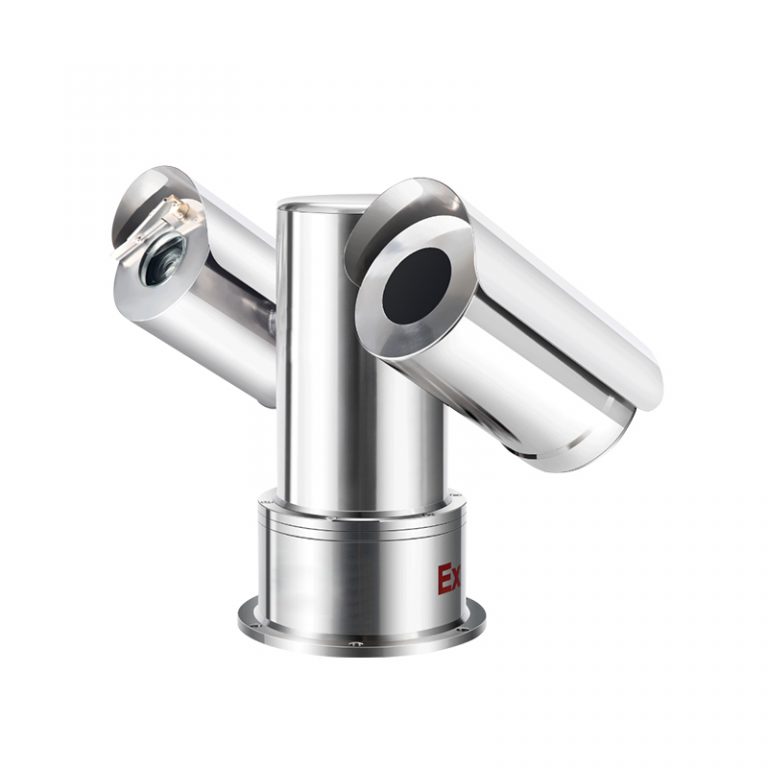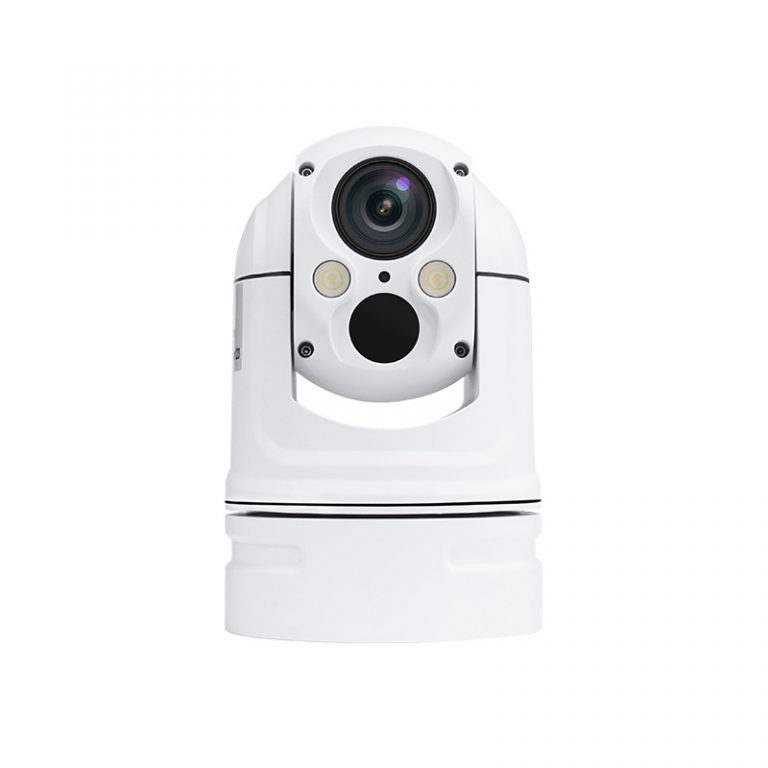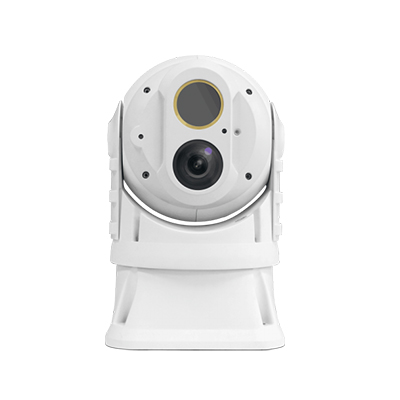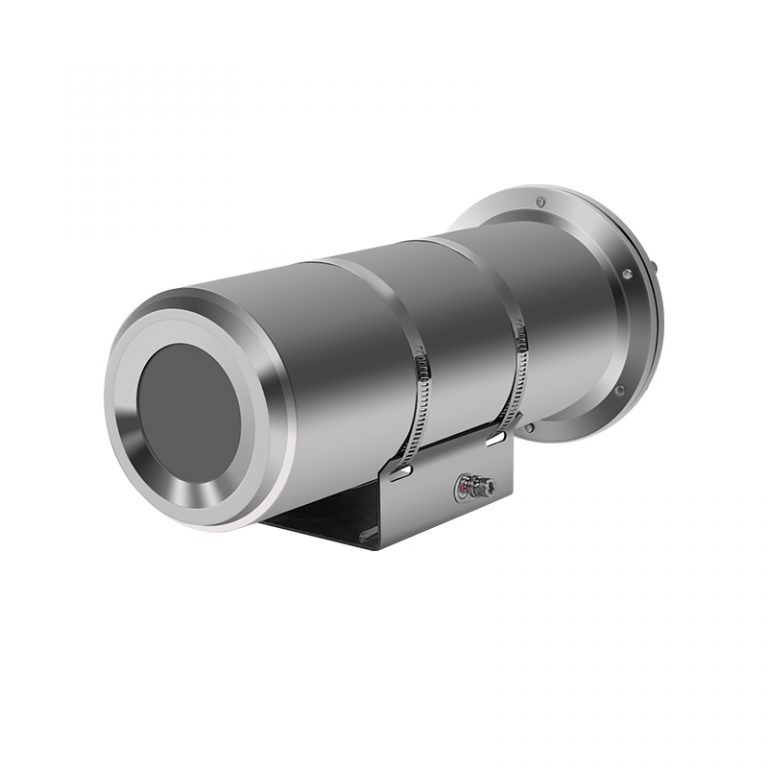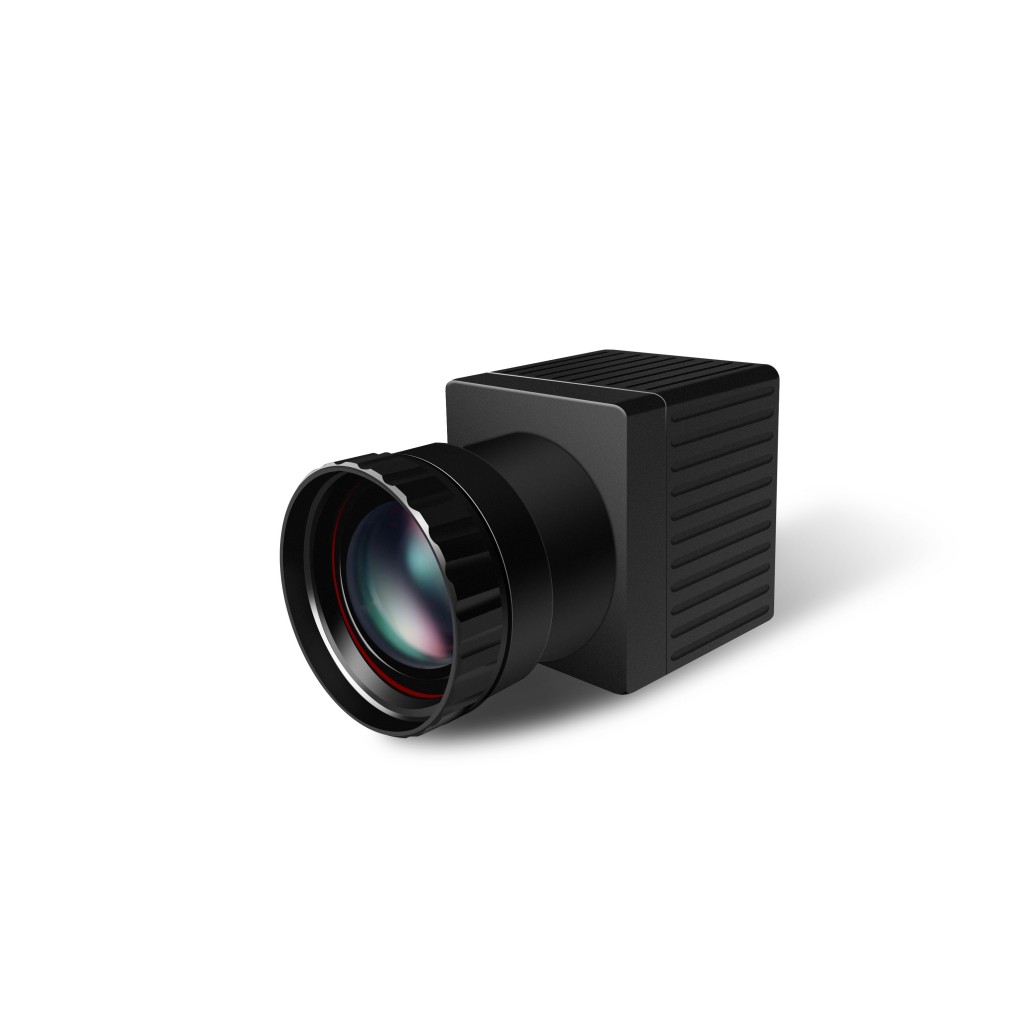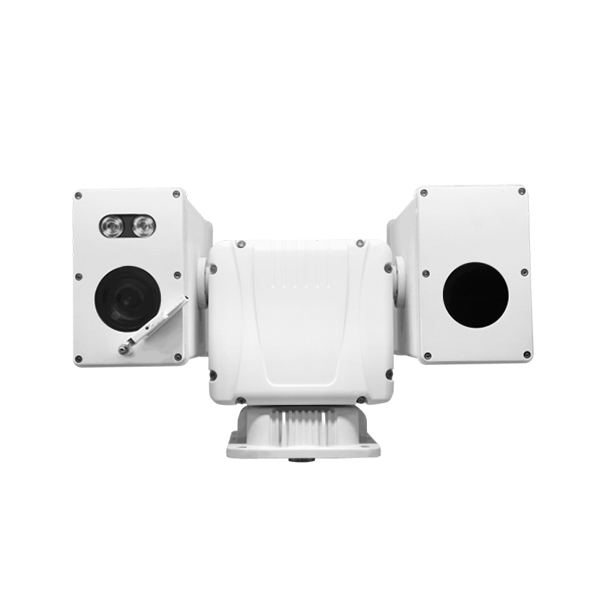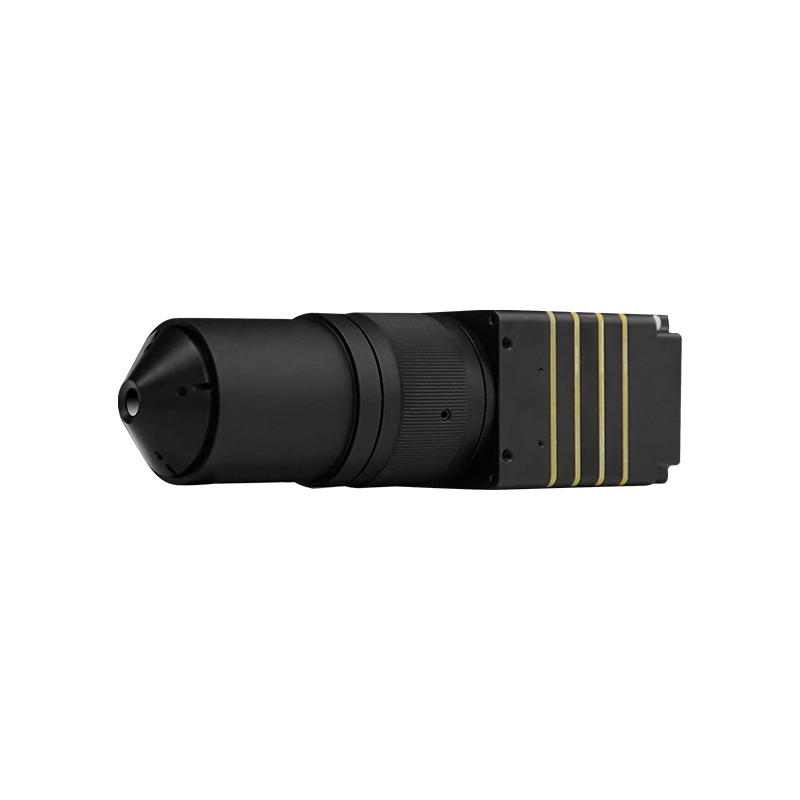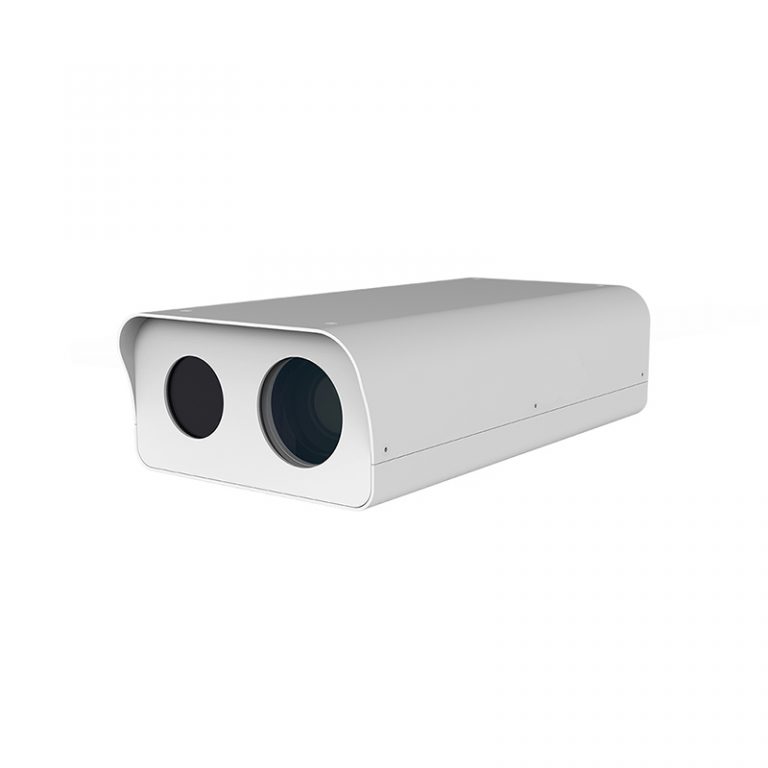

As a major artery of the national economy, rail transit puts the highest priority on operational safety. Even minor hidden equipment overheating hazards may trigger severe operational accidents. Conventional detection methods can hardly meet the stringent temperaturemonitoring requirements for highspeed scenarios. Equipped with cuttingedge technical performance, Yoseen highspeed infrared thermal imagers build a robust, intelligent “firewall” for rail transit safety protection systems.
Compared with conventional thermal imagers, the adoption of highspeed infrared thermal imagers in rail transit represents qualitative progress rather than simple technical superposition. Its core strengths are reflected below:
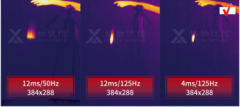
Ultrafast Response for Transient Thermal Variations Yoseen thermal imagers adopt highperformance premium detectors with a thermal time constant as low as 4 ms. Approximately three times faster than conventional thermal imagers, they sensitively capture subtle, instantaneous temperature changes on surfaces of highspeed moving objects. No early signs of overheating on train components travelling at hundreds of kilometres per hour can escape detection.
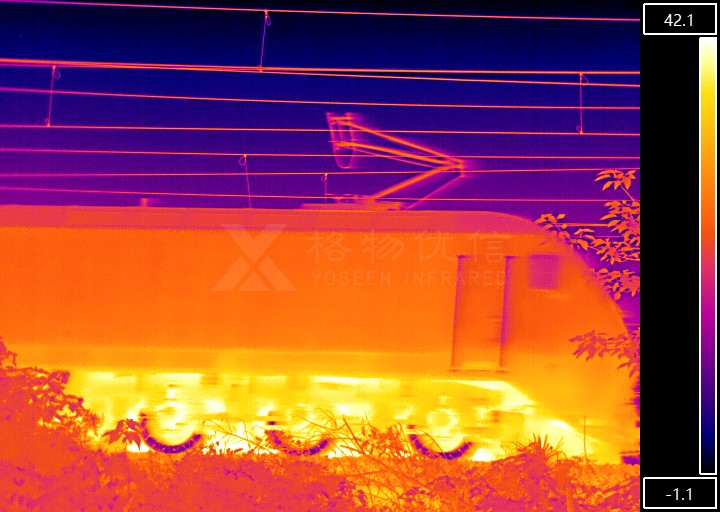
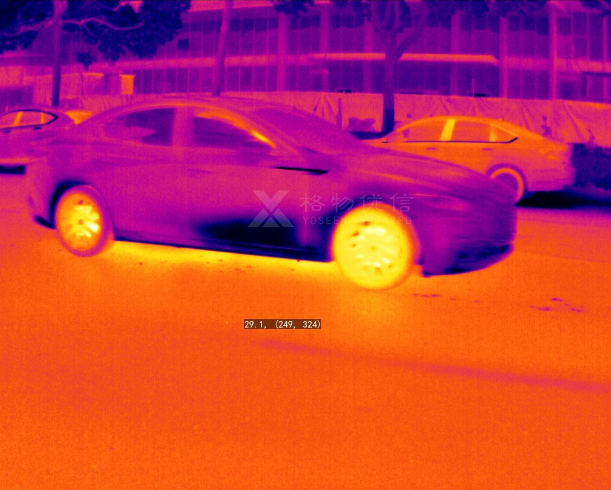
Ultrahigh Frame Rate to Eliminate Motion Smear and Missed Detections Another key strength lies in its 125 Hz ultrahigh infrared frame rate. In the split second as a train rushes past, the device generates abundant consecutive, sharp thermal frames. It thoroughly addresses image smearing and blurring caused by insufficient frame rates. Every frame of temperature data is recorded and analysed precisely with zero latency, delivering crisp framebyframe imaging with zero omissions.
Superior Sensitivity for Earlystage Warning Highperformance detectors deliver outstanding sensitivity capable of distinguishing extremely subtle differences in thermal signals. At the very early fault stage — when temperature anomalies first emerge yet severe hot spots have not formed — the system issues accurate early warnings. This grants maintenance personnel precious response time and eliminates potential faults before they escalate.

Leveraging the abovementioned technical features, highspeed infrared thermal imagers deliver irreplaceable value in key railtransit monitoring applications.

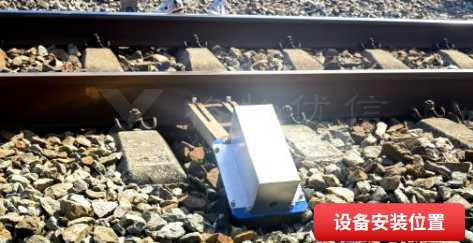
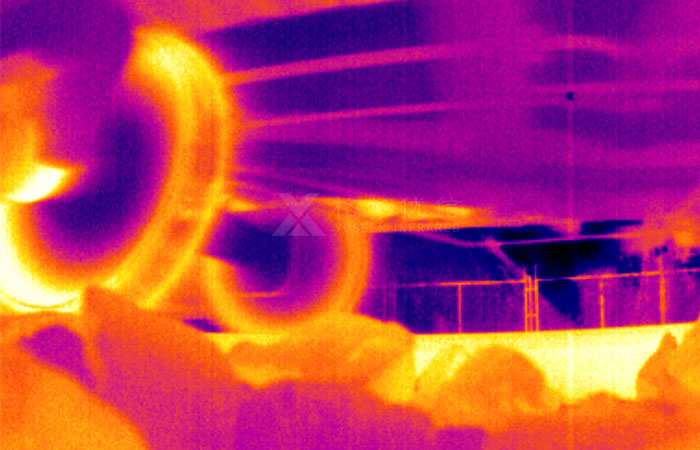
Heat builds up on train axles and bearings during highspeed rotation due to friction. Failures such as deteriorated lubrication, wear or cracks may trigger sharp temperature rises and even catastrophic hotaxle breakage accidents. Installed along railway tracks at station approaches and key sections, Yoseen highspeed thermal imagers perform nonstop, noncontact realtime scanning while trains are in service.
Thanks to ultrahighspeed performance, the system captures clear, stable thermal distribution profiles of every fastrotating axle and bearing. Intelligent algorithms analyse thermal data in real time. Once abnormal temperature rise is detected, alarms are triggered instantly with precise positioning down to specific carriages and axle positions. Ground crews can then carry out timely intervention to prevent accidents.

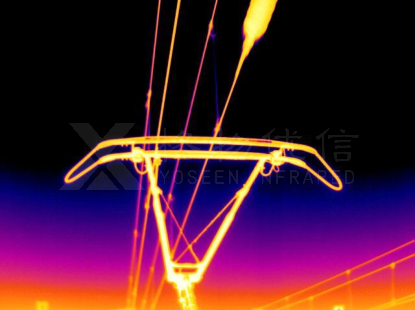
The pantograph serves as the “vital arm” drawing electric power from overhead contact lines. Friction between pantograph shoes and contact wires under highspeed operation may produce normal wear as well as abnormal arcing and sparking, which lead to local overheating.
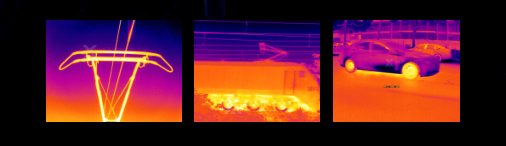
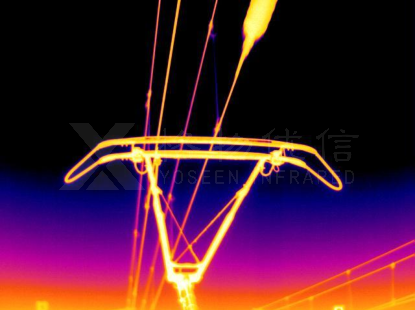
Mounted alongside platforms or trackside infrastructure, highspeed thermal imagers capture detailed thermal images of contact zones between pantographs and catenary systems as trains pass by. The 125 Hz high frame rate clearly records fleeting electric arcs and hotspot regions, while the 4 ms fast thermal response measures authentic instantaneous temperatures. Based on thermalimage analysis, operationandmaintenance staff can evaluate shoe wear levels, inspect catenary operating conditions, and identify potential electrical faults including insulator breakdown and loose conductors, securing stable and reliable power supply.

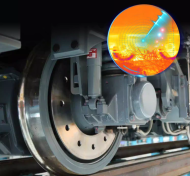
For rolling stock equipped with tread brakes or disc brakes, massive heat is generated during braking. Excessive brake temperature may cause brake fade or even brakedisc cracking. As trains pass through or pull into stations, highspeed thermal imagers rapidly scan brake shoes and brake discs to verify normal heat dissipation, supplying data support for conditionbased maintenance of braking systems.

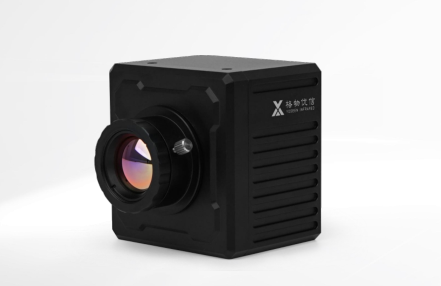
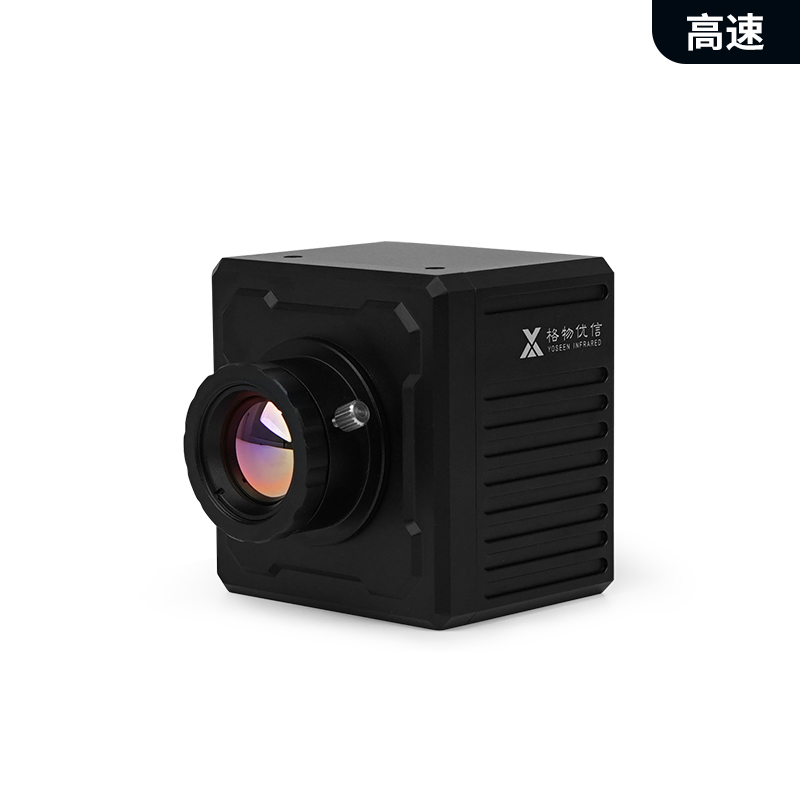
Compact in form factor with rich interfaces and strong expandability, Yoseen highspeed thermal imagers can be readily integrated into existing railtransit safety monitoring systems.
Looking ahead, with deep integration of artificial intelligence and bigdata technologies, massive thermal datasets collected by highspeed thermal imagers will be further processed. Powered by machinelearning algorithms, systems will move beyond simple thresholdbased alarming to realise trend forecasting, fault diagnosis and servicelife prediction. This drives railtransit operationandmaintenance to evolve from scheduled maintenance and breakdowndriven repairs toward advanced predictive maintenance.
Safety remains the eternal theme for rail transit. Boasting exceptional highspeed capture capability, superior temperaturemeasurement accuracy and powerful integration flexibility, Yoseen highspeed thermal imagers act as tireless “eagle eyes” for maintenance crews, detecting hidden hazards within milliseconds and safeguarding operations down to the finest details. It represents not only technological advancement but also a solemn commitment to safety and human lives, continuously underpinning the highspeed, highquality development of rail transit.